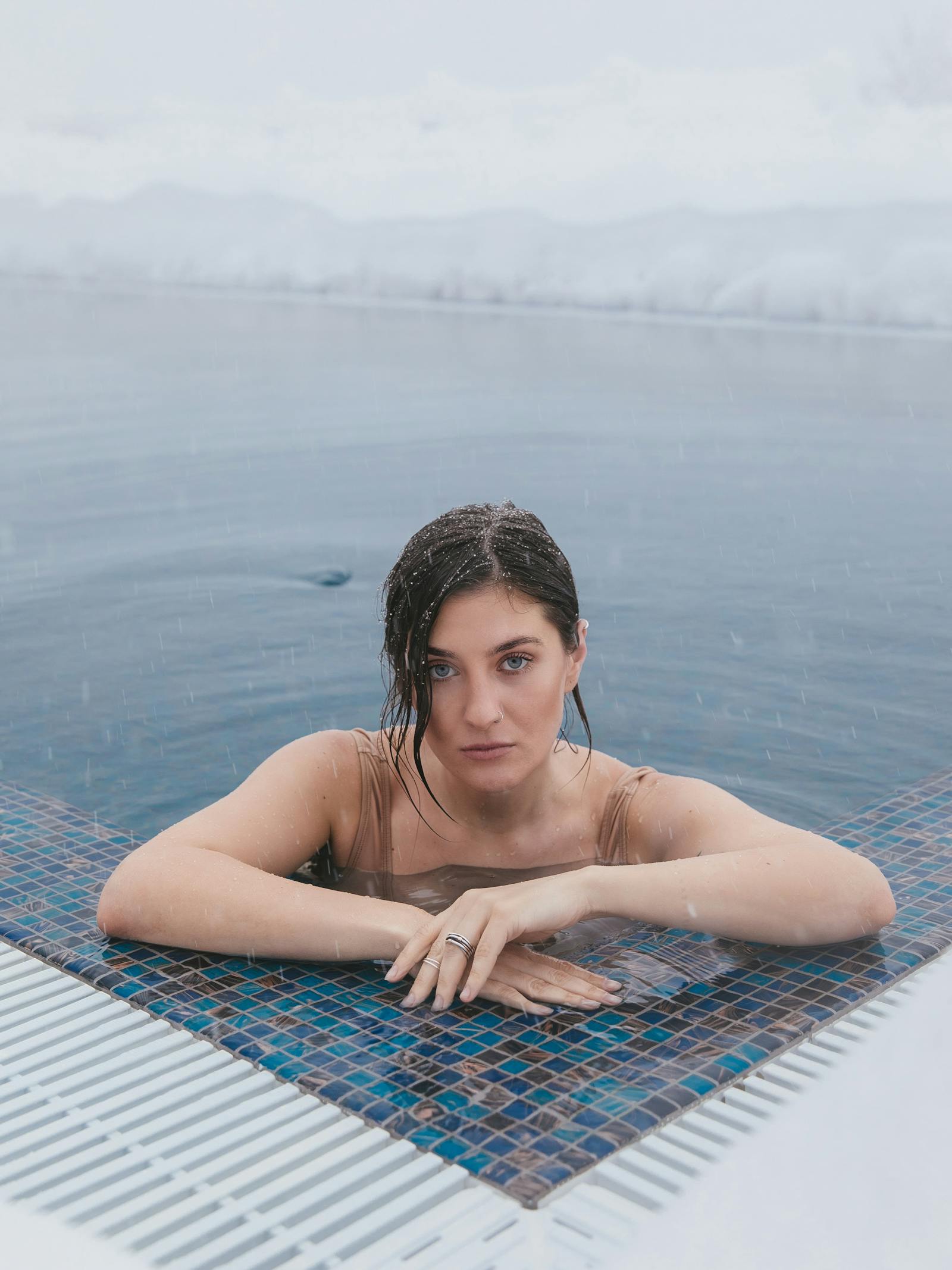
Cold plunges are everywhere. Instagram is full of people grimacing in ice baths, promising everything from fat loss to mental clarity to superhuman focus. Some of the claims are overblown. Some are real. And some depend entirely on how and when you use cold.
This article cuts through the hype. We will cover what cold exposure actually does to your body and brain, the protocols that work for different goals, the mistakes that can backfire, and how to start without buying a $5,000 tub.
Cold is a tool. Like any tool, it works when you use it correctly and causes problems when you do not.
What Happens When You Get Cold
When cold water hits your skin, your body interprets it as a threat. A cascade of responses kicks in:
Immediate responses (first 30 seconds to 2 minutes):
Vasoconstriction: Blood vessels near the skin constrict, shunting blood toward your core to protect vital organs.
Sympathetic activation: Your fight-or-flight system fires. Heart rate increases, breathing becomes rapid and shallow, and adrenaline (epinephrine) floods your system.
Cold shock response: This is the gasp reflex and hyperventilation you feel when you first get in. It is involuntary and can be dangerous in open water if you are not prepared.
Sustained responses (after 1-3 minutes):
Norepinephrine release: Levels can increase 200-500% and stay elevated for hours. This neurotransmitter improves focus, mood, and vigilance.
Dopamine release: Studies show dopamine can increase by 250% or more and remain elevated for several hours—far longer than the spike you get from caffeine or most other stimulants.
Brown fat activation: Brown adipose tissue burns calories to generate heat. Regular cold exposure increases brown fat activity and may improve metabolic health over time.
Anti-inflammatory signaling: Cold reduces inflammatory markers and can help with recovery from certain types of exercise or injury.
Adaptation over time:
Improved cold tolerance: Your body learns to generate heat more efficiently and delay shivering.
Enhanced stress resilience: Repeated exposure to controlled stress (cold) trains your nervous system to stay calm under pressure.
Potential metabolic benefits: Some research suggests regular cold exposure improves insulin sensitivity and lipid profiles, though more studies are needed.
The Dopamine Effect: Why Cold Feels So Good (After)
Most people hate the first 30 seconds of a cold plunge. But they love how they feel afterward—alert, clear, energized, and strangely calm.
This is largely due to dopamine. Unlike caffeine, which spikes dopamine quickly and then drops it (often below baseline), cold exposure produces a slow, sustained rise that can last 2-3 hours.
This is why many people use cold exposure in the morning: it sets a neurochemical tone for the day that supports focus and motivation without the crash.
Important caveat: if you are using cold to chase a dopamine hit every day, you may be masking underlying issues with energy, sleep, or stress. Cold is a tool, not a crutch. Use it strategically, not compulsively.
Protocol 1: The Morning Wake-Up (Mood and Focus)
This is the most common use case: cold exposure first thing in the morning to boost alertness and set a positive neurochemical baseline for the day.
How to do it:
Water temperature: 50-59°F (10-15°C). Cold enough to be uncomfortable, not so cold you cannot stay in.
Duration: 1-3 minutes. You do not need longer for the dopamine and norepinephrine benefits.
Timing: Within the first 1-2 hours of waking, ideally before caffeine.
Method: Cold shower (last 1-3 minutes of your shower), cold plunge, or natural body of water.
The first 30 seconds will feel intense. Your breathing will want to speed up. Let it, but try to slow it down gradually.
By 60-90 seconds, the intensity usually decreases as your body adapts.
After you get out, you will likely feel a surge of energy and clarity that lasts 1-3 hours.
Tips:
Do not warm up immediately afterward. Let your body reheat naturally to extend the metabolic benefits.
If you are new, start with 30 seconds and add 10-15 seconds each session.
Breathe. Controlled breathing (slow exhales) helps you stay calm and get more out of the exposure.
Protocol 2: The Recovery Protocol (Inflammation and Soreness)
Cold exposure can reduce inflammation and perceived soreness after certain types of exercise. But timing matters—a lot.
When to use it:
After endurance training (running, cycling, rowing) where you are not trying to maximize muscle growth.
After high-volume or high-intensity sessions where soreness would interfere with upcoming training.
During periods of heavy competition or back-to-back events.
When NOT to use it:
Immediately after strength or hypertrophy training. Cold blunts the inflammatory signaling that drives muscle adaptation. If you ice right after lifting, you may reduce muscle growth over time.
If your goal is to maximize strength or size gains, save cold exposure for off days or at least 4-6 hours after lifting.
How to do it:
Water temperature: 50-59°F (10-15°C).
Duration: 10-15 minutes for full-body immersion, or until you feel significant numbing.
Timing: Within 1-2 hours after endurance training, or on rest days.
Reduced delayed-onset muscle soreness (DOMS).
Faster perceived recovery.
Potential trade-off: slightly blunted adaptation if used too frequently or after the wrong type of training.
Protocol 3: The Resilience Builder (Mental Toughness)
This is where cold exposure becomes a training tool for your nervous system, not just your body.
The goal is not to stay in as long as possible or to prove how tough you are. The goal is to practice staying calm when your body is screaming at you to panic.
How to do it:
Water temperature: Cold enough to trigger a strong stress response (50°F / 10°C or colder).
Duration: Start with 1-2 minutes. The key is not duration but quality of presence.
Focus: Instead of gritting your teeth and white-knuckling through it, practice slow, controlled breathing. Relax your face. Soften your shoulders. Notice the urge to panic and choose not to follow it.
Why it works:
Your brain does not distinguish well between types of stress. When you practice staying calm in cold water, you are training a skill that transfers to other high-stress situations: difficult conversations, high-stakes presentations, moments of uncertainty.
You are teaching your nervous system that discomfort does not have to mean danger, and that you can choose your response even when your body is activated.
The first few sessions will feel chaotic. Your breathing will be all over the place.
Over time, you will notice you can settle faster. The cold will still be cold, but your reaction to it will change.
This skill—staying calm under stress—starts to show up in other areas of your life.
Protocol 4: The Metabolic Protocol (Brown Fat and Body Composition)
Some people use cold exposure specifically for metabolic benefits: increased calorie burn, brown fat activation, and improved insulin sensitivity.
The research here is promising but not conclusive. Cold exposure alone is unlikely to cause significant fat loss. But combined with good nutrition, sleep, and training, it may provide a modest metabolic boost.
How to do it:
Water temperature: 50-59°F (10-15°C).
Duration: 11 minutes total per week, spread across 2-4 sessions. This is the threshold suggested by some research for metabolic benefits.
Consistency: Regular exposure over weeks and months matters more than any single session.
Do not warm up immediately: Let your body shiver and reheat naturally. Shivering is metabolically expensive and part of the benefit.
Increased cold tolerance over time.
Possible improvements in metabolic markers (though individual results vary).
Do not expect dramatic body composition changes from cold alone.
Common Mistakes and How to Avoid Them
Going too cold, too fast
Jumping into 40°F (4°C) water when you have never done cold exposure is a recipe for a panic response, hyperventilation, or worse. Start with cool water (60-65°F / 15-18°C) and gradually decrease temperature over weeks.
Staying in too long
More is not better. Most of the neurochemical benefits happen in the first 1-3 minutes. Staying in for 10-15 minutes is fine for recovery protocols, but there is no prize for suffering longer than necessary.
Using cold after strength training
If you are trying to build muscle, do not ice immediately after lifting. The inflammation you are trying to reduce is part of the adaptation signal. Save cold for off days or after endurance work.
Warming up too quickly
Jumping into a hot shower or sauna immediately after cold exposure short-circuits some of the metabolic benefits. Let your body reheat naturally for at least 10-15 minutes.
Using cold as a crutch
If you need cold exposure every day just to feel normal, something else is off—sleep, stress, nutrition, or lifestyle. Cold is a tool, not a replacement for foundational health practices.
Ignoring safety
Cold water immersion carries real risks: cold shock, hypothermia, and drowning (especially in natural bodies of water). Never do cold exposure alone in open water. Know your limits. If you have cardiovascular issues, talk to a doctor first.
How to Start Without Expensive Equipment
You do not need a $5,000 cold plunge to get started. Here are accessible options:
Cold showers:
Free and available to almost everyone.
End your shower with 30-60 seconds of the coldest water you can tolerate.
Gradually increase duration over time.
Ice baths (DIY):
Fill a bathtub with cold water and add 10-20 pounds of ice.
Water temperature will vary depending on your tap water and ice quantity.
Cheap and effective, though less convenient than a dedicated tub.
Natural bodies of water:
Lakes, rivers, and oceans can be excellent (and free) cold exposure sources.
Always prioritize safety: never swim alone, know the water conditions, and be aware of currents.
Chest freezers (converted):
Some people convert chest freezers into cold plunge tubs for a few hundred dollars.
Requires some DIY work and maintenance but is much cheaper than commercial options.
Who Should Be Careful
Cold exposure is not for everyone. Use caution or consult a doctor if you have:
Cardiovascular disease or history of heart attack or stroke.
Raynaud's disease or other circulation issues.
Uncontrolled high blood pressure.
Pregnancy.
History of cold urticaria (allergic reaction to cold).
Even if you are healthy, start slowly and listen to your body. The goal is controlled stress, not reckless risk.
The Bigger Picture
Cold exposure is not magic. It will not fix a broken diet, chronic sleep deprivation, or unmanaged stress. But used correctly, it is a powerful tool for mood, focus, recovery, and resilience.
The real benefit may not be the dopamine or the brown fat. It may be the practice of voluntarily doing something uncomfortable and staying calm through it. That skill—choosing your response to stress—is one of the most valuable things you can develop.
Cold teaches you that discomfort is not the same as danger. It teaches you that you can feel the urge to panic and not follow it. It teaches you that you are more capable than you think.
That lesson applies far beyond the cold plunge.
How to Apply This Week
Choose one protocol from this article based on your goal (mood, recovery, resilience, or metabolism).
Start with a cold shower: 30-60 seconds at the end of your normal shower.
Focus on your breath. Try to slow your exhale and relax your face and shoulders.
Notice how you feel 30 minutes and 2 hours after. Write a one-sentence note.
Turning Ideas Into Your Baseline
Most people get stuck collecting information instead of building a baseline. The goal is not to memorize everything in this article—it is to turn one or two moves into something you do without thinking.
Start by stacking this protocol onto a habit you already have (morning shower, post-workout routine, weekend recovery day). Once it feels automatic, add a second layer. That is how you quietly build a nervous system, sleep, and strength framework that holds under real-life stress.
Cold is always available. Learn to use it, and you will have a tool for energy, clarity, and calm that costs nothing and travels with you everywhere.