Step 1
Check-in on your week: workload, stress spikes, wins, and any “I can’t do this forever” moments.
Analytics & error reporting
We use privacy-friendly analytics and error reports to improve the site. Turn this on to share anonymous usage data.
Do meaningful work without burning out or losing yourself.
You can have a good job on paper and still feel drained, stuck, or misaligned. Work performance isn’t just about productivity—it’s about how you show up, what you tolerate, and whether any of it actually feels worth it. When you’re pushing hard in a role that no longer fits (or you’re unsure what you want next), your nervous system, sleep, and health eventually get the bill. Brandon helps you improve work performance and clarify purpose in a way that respects your body, your values, and the reality of your life—not just your job description.
Trouble with work performance and purpose doesn’t always look like hating your job. Often, it feels like a slow disconnect between who you are and what you do all day.
Most work performance and purpose advice lives at two unhelpful extremes. If you only slap a new productivity system or inspirational quote on top of chronic stress and misalignment, you end up feeling like you failed at boundaries or don’t have what it takes—instead of recognizing that your work and body are asking for something deeper. Brandon’s work is about aligning how you work and why you work with what your system can sustainably support.
What’s really going on:
Instead of pushing you to grind harder or blow everything up overnight, Brandon uses a structured, nervous-system–aware process.
4-step process
Map what your work actually looks and feels like: responsibilities, demands, politics, schedule, energy peaks and crashes, and where you feel most drained or alive. You’ll explore how work is impacting your sleep, mood, body, and relationships—not just your calendar.
Identify where performance and purpose are out of sync: tasks you’re great at but hate, values your role violates, work that leaves you energized versus work that leaves you empty, and the beliefs that keep you stuck (“I can’t disappoint people,” “This is the best I’ll ever get,” “I’m too far in to change”).
Before you decide whether to stay or go, you’ll run small experiments inside your current reality: changing how you structure your day, when you do deep work, how you communicate needs, where you set small boundaries, and how you recover from hard days. This builds capacity and clarity—so any decision you make isn’t coming from pure burnout.
Once your nervous system has some breathing room and you see your patterns more clearly, you’ll work on bigger questions: what kind of work feels meaningful to you, what constraints you need (income, location, flexibility), and what realistic next steps look like. That might mean reshaping your current role, shifting teams, or planning a gradual transition—anchored in a body and brain that can handle change.
Work performance and purpose don’t usually change in a single leap. They shift as your system gets safer and your choices get more aligned. Clients working on this area with Brandon often notice:
More days where they end work feeling “appropriately tired” instead of wrecked.
Clearer separation between their worth and their output.
Better focus and performance during work blocks—and more genuine off-time outside of them.
Greater honesty about what they want, what they’re done tolerating, and what they’re afraid of.
A grounded plan for what’s next—promotion, pivot, or exit—rather than vague fantasies or dread.
A sense that work is part of a meaningful life, not the only way they prove they deserve one.
Work will likely always demand effort—sometimes a lot of it. But it shouldn’t cost you your health, relationships, or sense of self. You’re allowed to want both strong performance and real purpose.
You don’t have to keep white-knuckling your way through misaligned weeks or fantasizing about escape without a plan. If you’re ready to bring your nervous system, work performance, and deeper purpose into the same conversation, Brandon is here to help.
Sessions are designed to be a place where you can tell the truth about work without having to protect anyone else’s feelings. You don’t need a polished career plan or a crisis to start. You can show up with “this is kind of working and kind of breaking me” and go from there.
Shape of a typical session:
Check-in on your week: workload, stress spikes, wins, and any “I can’t do this forever” moments.
Review of experiments you tried—schedule changes, boundaries, conversations, recovery practices.
Exploration of how your body responded: tension, relief, energy, sleep, mood.
Clarifying one to three specific steps or experiments to run before the next session—performance-focused, recovery-focused, or clarity-focused.
About Your Coach
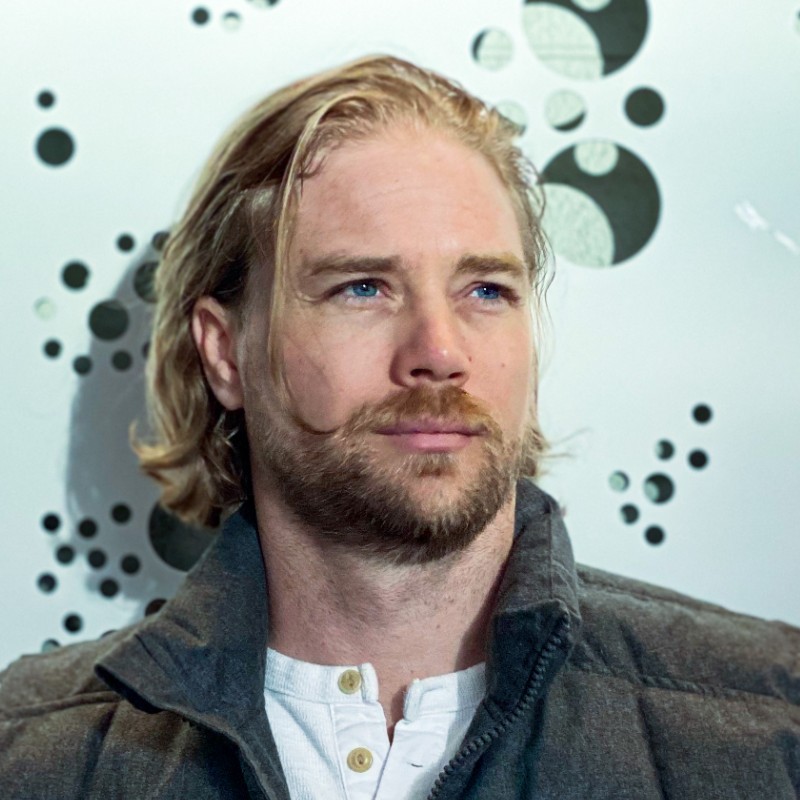
Brandon Day is a Pain and Performance Coach who works with people whose work demands a lot from them—founders, professionals, leaders, and high-responsibility humans. He looks at performance and purpose through the lens of the nervous system, stress, and real-life constraints, helping you stay ambitious and intact.
Work performance and purpose, burnout and exhaustion, confidence and self-belief, nervous-system regulation, pain and performance, sustainable high performance.
1:1 remote sessions, clear experiments instead of generic advice, attention to both body and career decisions, planning that respects your constraints, coordination with therapists or other providers when helpful.
“I thought my choices were either grind it out or burn it all down. With Brandon, we stabilized my system first, then made changes. I’m performing better, sleeping better, and have a real plan for what’s next instead of just fantasizing about quitting.”
Common Questions
A bit of each. Brandon’s work sits at the intersection of performance, nervous-system health, and meaningful work. You might work on focus, energy, boundaries, communication, and decision-making about your career path—all with an eye toward what your body and brain can sustainably support. He’s not a recruiter or resume writer, but he can help you make choices and take actions that actually align with your goals.
No. Many clients are founders, leaders, or high-responsibility professionals, but others are mid-career, early-career, or in non-traditional paths. If work performance, alignment, or purpose are major stress points in your life—and you’re open to looking at them through a body-and-nervous-system lens—this work is relevant.
No. That decision is yours. Brandon’s role is to help you understand your nervous system, values, constraints, and options clearly, and to support you in experimenting your way toward an answer that feels grounded—not impulsive or purely fear-based. Sometimes that means staying and reshaping. Sometimes it means leaving. Often, it’s a sequence of smaller steps.
That’s common. Brandon’s coaching is trauma-aware and nervous-system–informed, but it is not therapy or a replacement for mental health treatment. If anxiety, depression, or trauma are major factors, coaching can often complement therapy: therapy works more deeply on story and healing, while coaching helps you apply nervous-system and performance tools in your day-to-day work life. If something is outside the scope of coaching, he’ll say so.
Yes—and often that’s exactly when people seek this out. You can be succeeding by external metrics and still feel misaligned, exhausted, or unsure why it doesn’t feel as good as you thought it would. Brandon works with plenty of people who don’t need help becoming more successful so much as becoming more themselves while they do meaningful work.
It depends on what you want to shift: performance rhythms, burnout recovery, confidence at work, or a bigger pivot decision. Some clients get what they need in three to six focused sessions. Others work with Brandon across a 100-day sprint or longer as they redesign how they work and what they’re working toward. You’ll discuss a realistic timeframe after your first session.
Sessions are primarily held online via secure video, which makes it easy to join from your office, home, or wherever you’re actually living your work life. If you’re local and interested in in-person work, you can mention that in your intake form and Brandon will let you know what’s available.
Ready to get started?
Start Relief Switch Free