Step 1
Check-in on your week: energy, stress, sleep, and any crashes or wins.
Analytics & error reporting
We use privacy-friendly analytics and error reports to improve the site. Turn this on to share anonymous usage data.
Rebuild your energy without blowing up your life.
When you push hard for too long, your body and brain eventually hit a wall. Burnout and chronic exhaustion show up as more than “being tired”—you feel drained, numb, or on edge no matter how much you rest. Brandon helps high-performing humans understand what’s driving their burnout at a nervous-system level and build a sustainable way back to energy, focus, and steadier moods.
Burnout isn’t just stress. It’s what happens when your system is asked to do too much, for too long, with too little support.
When burnout and exhaustion start to show up, the usual advice can help in the moment, but it rarely addresses what’s really going on. If you only change one piece—take a week off, switch jobs, add a supplement—without changing how your system manages load and recovery, you usually end up back in the same hole, just more discouraged. Brandon’s work is about resetting how your body and nervous system respond to pressure so you can build a life you don’t constantly need to escape from.
What’s really going on:
Instead of telling you to “just quit” or “just hustle harder,” Brandon uses a structured process to understand what your system is dealing with and how to rebuild your capacity.
4-step process
Map the reality of your life: workload, stressors, responsibilities, sleep, movement, and symptoms. You’ll look at how exhaustion shows up during your day, what “busy seasons” look like, and where you’re already at your limit.
Identify the factors that drive your burnout the most: chronic stress, poor sleep, perfectionism, people-pleasing, constant availability, overtraining, or under-recovery. Instead of trying to change everything, you’ll pick the two to three levers that will make the biggest difference for your nervous system.
Run small, do-able experiments: micro-rest breaks that actually work, changes to when you tackle hard tasks, nervous-system drills to downshift from “on” to “off,” and realistic adjustments to movement, training, or social load. Each experiment is designed to answer, “Do I feel a little more human, or a little more fried?”
Develop routines and boundaries that protect your energy over time: a weekly rhythm that respects your capacity, simple rules for saying yes/no, and shutdown rituals that help you leave work at work. This isn’t about perfection—it’s about making crash-and-burn less likely.
Burnout recovery doesn’t mean moving to a cabin in the woods (unless you want to). It means your system has more room to breathe. You may still have busy weeks or stressful projects. The difference is that your system has ways to come back down instead of living in permanent overdrive.
Waking up feeling less wrecked and more like a human who slept.
Fewer afternoons where you hit a wall and stare at a screen for hours.
More stable moods and fewer episodes of snapping or shutting down.
The ability to take real time off without guilt—and without needing weeks to recover afterward.
A clearer sense of what your body and brain can actually handle, instead of guessing.
A pace of work and training that you can sustain, not just survive.
You’ve been carrying a lot for a long time. Burnout and exhaustion aren’t signs that you’ve failed—they’re signs your system has been in survival mode for too long.
You don’t have to keep muscling through or waiting for “things to calm down someday.” If you’re ready to understand what your nervous system needs and build a sustainable way back to energy, Brandon is here to help.
Sessions are designed to feel grounding and practical. You won’t be judged for how burned out you are—Brandon knows you got here by caring and trying, not by doing nothing. You don’t need to show up as your “best self.” You can show up as you are—tired, overwhelmed, unsure—and build from there.
Shape of a typical session:
Check-in on your week: energy, stress, sleep, and any crashes or wins.
Review of the experiments or adjustments you tried since last session.
Discussion of what helped, what backfired, and what you learned about your capacity.
Clarifying one to three focused changes or practices to test before the next session.
About Your Coach
Brandon Day is a Pain and Performance Coach who works with people who have been running in the red for too long—founders, professionals, athletes, caregivers, and anyone who expects a lot from themselves. He blends nervous-system–informed coaching, movement and training principles, and behavior-change tools to help you rebuild your capacity without losing what matters most to you. He understands what it’s like to push through pain and fatigue until your body and brain start pushing back. Sessions with Brandon are collaborative and honest—no performance, no pretending you’re “fine.”
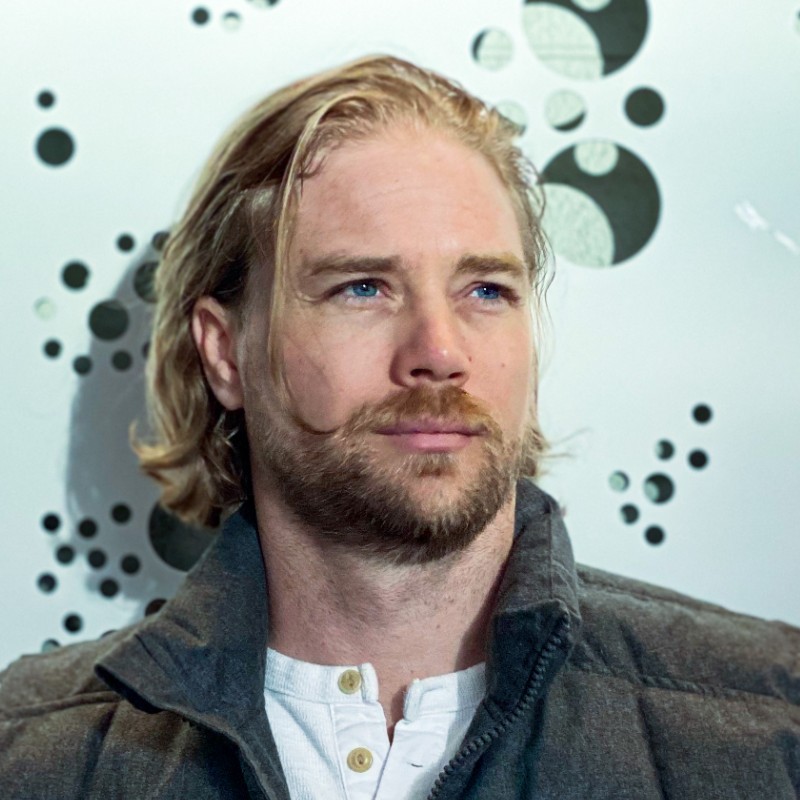
Burnout and exhaustion, chronic stress, nervous-system regulation, pain and performance, sustainable training, long-term habit change.
1:1 remote sessions, clear experiments instead of vague advice, realistic planning around your actual responsibilities, coordination with your existing providers or support system when useful.
“I was convinced I just needed to ‘try harder’ or change careers. Working with Brandon, I finally understood what my system was up against. We made small, targeted changes, and I can feel the difference—I’m not running on fumes 24/7 anymore.”
Common Questions
No. Brandon’s work is in the coaching and education space. He helps you understand your stress and burnout patterns, adjust your load and routines, and support your nervous system. He doesn’t diagnose mental health conditions or provide psychotherapy. If you’re dealing with depression, anxiety, trauma, or other mental-health concerns, coaching can complement—but not replace—therapy or psychiatric care.
Not necessarily. For some people, a big change is eventually the right move. But many clients can see meaningful improvements by changing how they work, rest, and recover inside their current reality. The focus is on making your life more sustainable and your system more resilient, not blowing everything up overnight.
That’s very common. Many people working on burnout are already in therapy or taking prescribed medications. Brandon’s role is to help you apply nervous-system and lifestyle changes—sleep, movement, load, boundaries—in a way that works alongside your existing care. He does not adjust medications or tell you to stop treatment. With your permission, he can coordinate with other providers.
It varies. Some people work with Brandon for a focused series of three to six sessions to get out of the immediate crisis and build new rhythms. Others commit to a 100-day sprint to rebuild their foundation more fully. You’ll talk together after the first session about what makes sense based on your goals, budget, and capacity.
Sometimes doing less for a season is part of the solution—but it’s rarely the whole story. Brandon will help you clarify what truly matters, where your energy is leaking, and how to adjust your load so you’re not spending yourself on the wrong things. The aim is to help you do the right amount of the right work, in a way your system can handle.
Sessions are primarily online via secure video, so you can join from home, your office, or wherever you are. If you’re local and want to explore in-person work, you can mention that in your intake form and Brandon will let you know what options are available.
Ready to get started?
Start Relief Switch Free