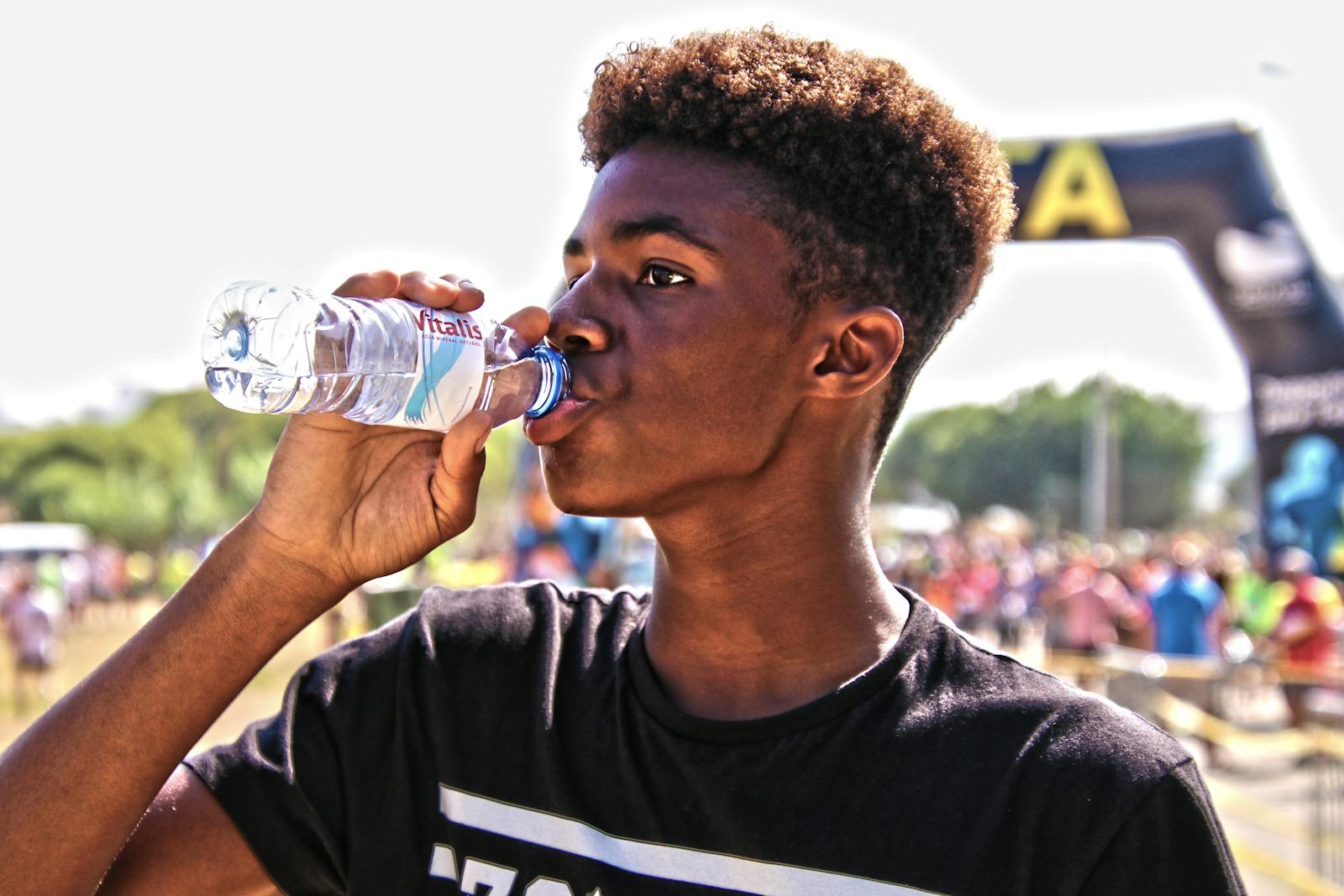
You can drink a gallon of water and still be dehydrated. This sounds counterintuitive, but it is one of the most common mistakes people make with hydration.
Water is only half the equation. The other half is electrolytes—the minerals that allow your cells to actually hold onto that water and use it. Without adequate sodium, potassium, and magnesium, the water you drink passes straight through you, taking even more minerals with it on the way out.
This article covers the science of hydration, the role of electrolytes, how to know if you are actually hydrated, and practical protocols for different situations—morning routines, training, hot weather, and cognitive performance.
Why Water Alone Is Not Enough
Your body is about 60% water, but that water is not just sloshing around freely. It is carefully distributed between your cells (intracellular fluid), the spaces between your cells (interstitial fluid), and your blood (plasma). The movement of water between these compartments is controlled by electrolytes.
The key electrolytes:
Sodium: The primary electrolyte in the fluid outside your cells. Sodium determines how much water your body retains and is critical for nerve function, muscle contraction, and blood pressure regulation.
Potassium: The primary electrolyte inside your cells. Potassium works with sodium to maintain fluid balance and is essential for heart function and muscle contraction.
Magnesium: Involved in over 300 enzymatic reactions, including energy production, muscle relaxation, and nervous system regulation. Many people are chronically low in magnesium.
Chloride: Works with sodium to maintain fluid balance and is a component of stomach acid.
When you drink plain water without electrolytes, you dilute the concentration of these minerals in your blood. Your body responds by excreting water to restore balance—which is why you pee constantly when you drink a lot of plain water. You end up less hydrated than when you started, and you have flushed out valuable minerals in the process.
Signs You Might Be Dehydrated
Dehydration does not always feel like thirst. By the time you feel genuinely thirsty, you are already 1-2% dehydrated, which is enough to impair physical and cognitive performance.
Physical signs:
Dark yellow urine (aim for pale yellow, like lemonade).
Dry mouth, lips, or skin.
Headaches, especially in the afternoon.
Muscle cramps or twitches.
Fatigue that does not improve with rest.
Dizziness when standing up quickly.
Constipation.
Cognitive signs:
Difficulty concentrating.
Brain fog or mental sluggishness.
Irritability or mood swings.
Reduced short-term memory.
Performance signs:
Decreased strength and power output.
Earlier fatigue during exercise.
Elevated heart rate at the same intensity.
Slower recovery between sets or intervals.
Even mild dehydration (1-2% body weight loss) can reduce endurance performance by 10-20% and impair cognitive function. At 3-4%, you are in serious trouble.
The Morning Hydration Window
You wake up dehydrated every single day. During 6-8 hours of sleep, you lose water through breathing (you exhale water vapor with every breath), sweating (even in a cool room), and the metabolic processes that continue while you sleep.
Most people wake up 1-2 pounds lighter than when they went to bed. Almost all of that weight is water.
This is why morning hydration is so important. Your first drink of the day should not be coffee—it should be water with electrolytes.
The morning hydration protocol:
Keep a glass or bottle of water by your bed.
Drink 16-24 oz (500-700ml) of water within the first 30 minutes of waking.
Add electrolytes: a pinch of salt (1/4 teaspoon), an electrolyte packet, or a squeeze of lemon with salt.
Wait 15-30 minutes before having coffee or tea.
Why this matters:
Rehydrating first thing jumpstarts your metabolism and energy.
It helps flush the metabolic waste products that accumulated overnight.
It sets a hydration baseline for the day.
Coffee is a mild diuretic—drinking it on an already-dehydrated system makes things worse.
How Much Should You Drink?
The old "8 glasses a day" rule is a rough approximation that ignores individual variation. Your actual needs depend on:
Body size: Larger people need more water.
Activity level: Exercise increases water and electrolyte losses through sweat.
Climate: Hot and humid environments increase sweat losses.
Diet: High-sodium diets require more water; high-potassium diets (lots of fruits and vegetables) help with retention.
Caffeine and alcohol intake: Both are diuretics that increase water loss.
A better rule of thumb:
Drink half your body weight in ounces per day as a baseline. A 180-pound person would aim for 90 oz (about 2.7 liters). Adjust upward for exercise, heat, or high caffeine intake.
But the best indicator is your urine:
Pale yellow (like lemonade): Well hydrated.
Clear: You might be overhydrating and diluting electrolytes.
Dark yellow or amber: You need more fluids.
Note: B vitamins can turn urine bright yellow regardless of hydration status.
Electrolyte Strategies
Getting enough electrolytes does not require expensive supplements, but it does require intention.
Sodium:
Most people get plenty of sodium from food, but if you eat a whole-foods diet with minimal processed food, you may need to add salt. Athletes and heavy sweaters often need 2-3 grams of sodium per day beyond what they get from food.
Add a pinch of salt to your morning water.
Salt your food to taste.
Use electrolyte drinks during and after exercise.
Potassium:
Potassium is abundant in fruits, vegetables, and legumes. Good sources include bananas, potatoes, avocados, spinach, and beans. Most people who eat a varied diet get enough potassium, but if you eat low-carb or avoid produce, you may need to supplement.
Magnesium:
Magnesium is one of the most common deficiencies. Good food sources include dark leafy greens, nuts, seeds, and dark chocolate. Many people benefit from supplementation, especially in the evening (magnesium glycinate or citrate, 200-400mg).
Electrolyte products:
If you want a simple solution, electrolyte packets or tablets can be convenient. Look for products with:
500-1000mg sodium per serving.
200-400mg potassium.
50-100mg magnesium.
Minimal or no sugar (unless you need the calories for endurance exercise).
Popular options include LMNT, Drip Drop, Nuun, and homemade versions (water + salt + lemon + a splash of juice).
Hydration for Training
Your hydration strategy should change based on the type and duration of exercise.
Before training:
Drink 16-20 oz of water with electrolytes 2-3 hours before exercise.
Drink another 8-12 oz 15-30 minutes before starting.
Avoid chugging large amounts right before—this can cause stomach discomfort.
During training (sessions under 60 minutes):
Water is usually sufficient for shorter sessions.
Sip as needed, aiming for 4-8 oz every 15-20 minutes.
If you are a heavy sweater or it is hot, add electrolytes.
During training (sessions over 60 minutes):
Electrolytes become more important as sweat losses accumulate.
Aim for 16-32 oz per hour with sodium (300-600mg per hour).
For very long sessions (2+ hours), you may need carbohydrates as well.
After training:
Rehydrate with 16-24 oz of water with electrolytes for every pound lost during exercise.
Include sodium to help retain the fluid.
A post-workout meal with salt and potassium-rich foods helps restore balance.
Strength vs. endurance:
Strength training typically involves less total sweat loss than endurance work, but hydration still matters for performance and recovery.
Endurance athletes need to be more aggressive with electrolyte replacement, especially in heat.
Hydration for Cognitive Performance
Your brain is about 75% water, and it is exquisitely sensitive to hydration status. Even mild dehydration impairs:
Attention and focus: Dehydration reduces blood flow to the brain and impairs neurotransmitter function.
Short-term memory: Studies show that dehydrated subjects perform worse on memory tasks.
Mood: Dehydration is associated with increased anxiety, irritability, and fatigue.
Decision-making: Complex cognitive tasks suffer when you are underhydrated.
Practical tips for cognitive hydration:
Start your workday hydrated (morning protocol above).
Keep water at your desk and sip throughout the day.
Add electrolytes, especially if you drink coffee (which is mildly dehydrating).
If you notice afternoon brain fog, try drinking 16 oz of water with electrolytes before reaching for more caffeine.
Common Hydration Mistakes
Mistake 1: Drinking only when thirsty.
Thirst is a lagging indicator. By the time you feel thirsty, you are already dehydrated enough to affect performance. Drink proactively, especially in the morning and around exercise.
Mistake 2: Chugging large amounts at once.
Your body can only absorb about 8-12 oz of water per 15-20 minutes. Drinking more than that at once just means more trips to the bathroom. Sip steadily throughout the day rather than chugging.
Mistake 3: Drinking too much plain water.
Overhydration with plain water dilutes your electrolytes and can actually make you feel worse. If you are drinking a lot and still feel dehydrated, you probably need more electrolytes, not more water.
Mistake 4: Ignoring individual variation.
Some people are heavy sweaters who lose a lot of sodium. Others barely sweat. Some people do fine on moderate sodium; others need more. Pay attention to your own body and adjust accordingly.
Mistake 5: Relying on sports drinks with too much sugar.
Many commercial sports drinks are loaded with sugar and light on electrolytes. For most purposes, you want electrolytes without a lot of added sugar. Save the sugary drinks for long endurance efforts where you need the calories.
Mistake 6: Forgetting about magnesium.
Most electrolyte discussions focus on sodium and potassium, but magnesium is equally important—especially for muscle function, sleep, and stress management. Many people are chronically low.
Special Situations
Hot weather:
Heat dramatically increases sweat losses. You may need 2-3x your normal fluid intake on very hot days. Increase sodium intake as well, since you lose significant sodium in sweat.
Air travel:
Airplane cabins have very low humidity (10-20%), which increases water loss through breathing and skin. Drink extra water before, during, and after flights. Avoid alcohol and limit caffeine.
Alcohol consumption:
Alcohol is a diuretic that suppresses the hormone (ADH) that helps you retain water. For every alcoholic drink, have a glass of water. Before bed after drinking, have water with electrolytes to reduce hangover severity.
Low-carb and ketogenic diets:
Low-carb diets cause your body to excrete more sodium and water. If you eat low-carb, you need significantly more sodium than someone eating a standard diet—often 3-5 grams per day beyond food.
Fasting:
During fasting, you still lose water and electrolytes but are not replacing them through food. Drink water with electrolytes (no calories) to maintain hydration during fasts.
A Simple Daily Hydration Protocol
If you want a straightforward system, here is a template:
Morning (within 30 minutes of waking):
16-24 oz water with electrolytes (salt, electrolyte packet, or lemon + salt).
Mid-morning:
8-16 oz water. Coffee or tea is fine, but do not count it toward hydration.
Lunch:
8-16 oz water with your meal.
Afternoon:
16-24 oz water, with electrolytes if you are feeling foggy or fatigued.
Training (if applicable):
16-32 oz water with electrolytes during and after.
Evening:
8-16 oz water with dinner.
Taper off 1-2 hours before bed to avoid waking up to pee.
Total: Roughly 80-120 oz (2.5-3.5 liters) for an average adult, adjusted for body size, activity, and climate.
The Bigger Picture
Hydration is one of the simplest and most impactful things you can do for your health, performance, and cognitive function. It costs almost nothing, requires no special equipment, and can be improved immediately.
Yet most people walk around chronically underhydrated, wondering why they are tired, foggy, and underperforming. They drink coffee to compensate for fatigue that is actually caused by dehydration. They take painkillers for headaches that would disappear with a glass of water and some salt.
The fix is simple: drink water with electrolytes, starting first thing in the morning, and sip steadily throughout the day. Pay attention to your urine color. Adjust for exercise, heat, and individual variation.
Your body is mostly water. Treat it that way.
How to Apply This Week
Start tomorrow with the morning hydration protocol: 16-24 oz of water with electrolytes within 30 minutes of waking.
Track your urine color for a few days. Aim for pale yellow.
Notice how you feel—energy, focus, mood—when you are well hydrated versus when you are not.
Adjust your electrolyte intake based on your activity level and how you feel.
Turning Ideas Into Your Baseline
Most people get stuck collecting information instead of building a baseline. The goal is not to memorize everything in this article—it is to turn one or two moves into something you do without thinking.
Start by stacking this protocol onto a habit you already have (waking up, your morning coffee ritual, your pre-workout routine). Once it feels automatic, add a second layer. That is how you quietly build a nervous system, sleep, and strength framework that holds under real-life stress.
Hydration is foundational. Get it right, and everything else works better.