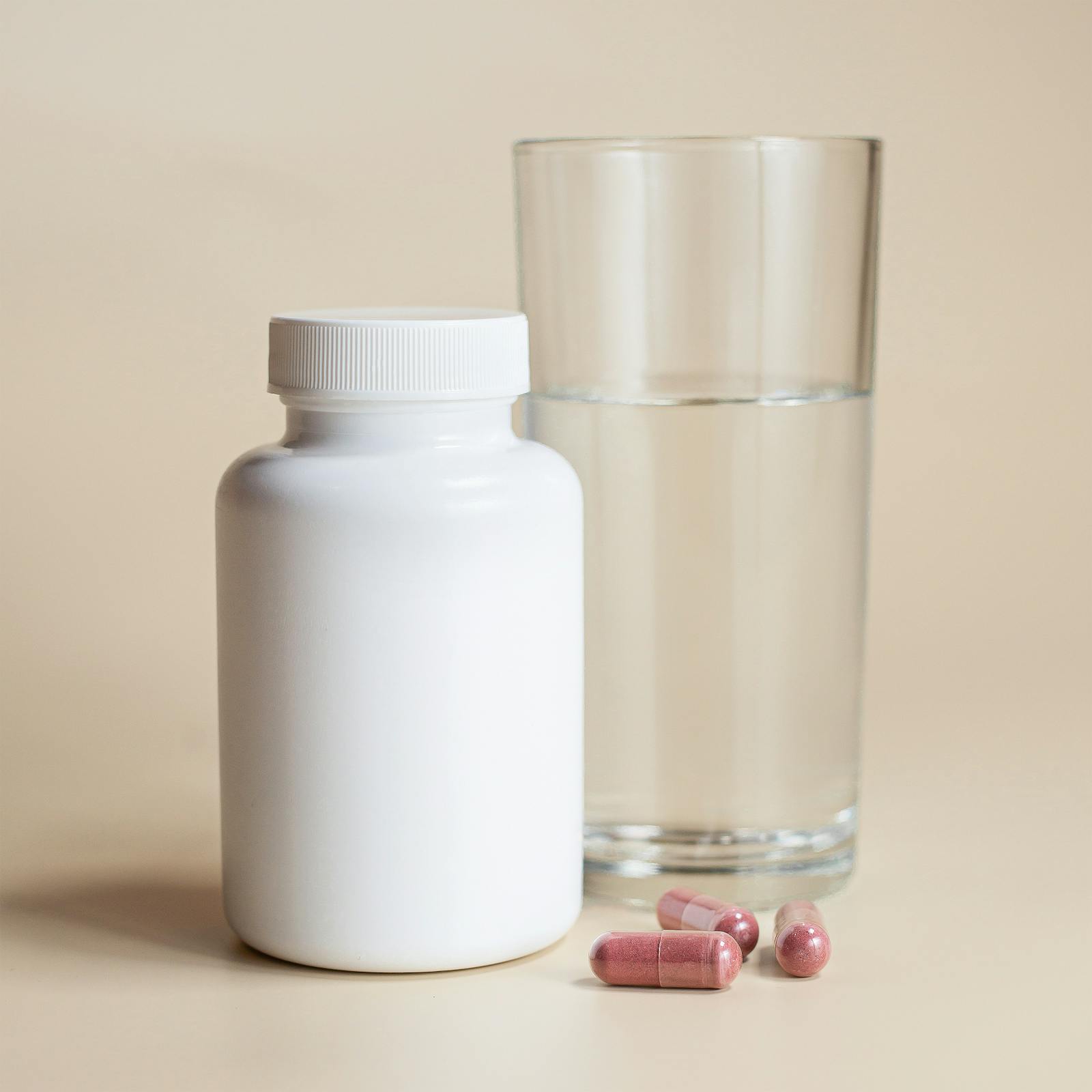
The supplement industry is a masterclass in marketing over substance. Walk into any store and you will find walls of products promising muscle gain, fat loss, energy, focus, longevity, and everything in between. Most of it is garbage.
Here is the uncomfortable truth: the vast majority of supplements either do not work, do not work at the doses sold, or address problems you do not have. They are solutions looking for problems, backed by cherry-picked studies and aggressive advertising.
But that does not mean all supplements are useless. A small number have robust evidence behind them. These are the ones that address genuine deficiencies or provide benefits that are difficult to achieve through diet alone.
This article cuts through the noise. We will cover the supplements that actually matter, the ones that might matter for specific situations, and the ones you can safely ignore. We will discuss dosing, timing, and what to look for when buying. And we will be honest about what supplements can and cannot do.
The Hierarchy: Food First, Supplements Second
Before we talk about supplements, we need to establish the hierarchy:
Sleep: No supplement compensates for chronic sleep deprivation.
Nutrition: Whole foods provide nutrients in forms and combinations that supplements cannot replicate.
Training: Supplements do not build muscle or burn fat—training does.
Stress management: A dysregulated nervous system undermines everything.
Supplements: Fill gaps that remain after the above are addressed.
Supplements are the 1-5% on top of a solid foundation. They are not the foundation itself. If you are sleeping poorly, eating junk, and not training, no supplement stack will save you.
With that context, let us look at what actually works.
Tier 1: The Essentials
These are the supplements with the strongest evidence, addressing the most common deficiencies or providing benefits that are difficult to achieve through diet alone. For most people, these are worth considering.
What it is:
Creatine is a molecule produced naturally in the body and found in meat and fish. It is stored primarily in muscle tissue, where it helps regenerate ATP—the energy currency of cells.
What the research shows:
Creatine monohydrate is the most well-researched supplement in existence. Hundreds of studies over decades have consistently shown:
Increased strength and power: Creatine improves performance in high-intensity, short-duration activities (lifting, sprinting, jumping). Typical gains are 5-10% in strength and power output.
Increased muscle mass: By allowing you to train harder and recover better, creatine supports muscle growth over time.
Cognitive benefits: Creatine supports brain energy metabolism. Studies show benefits for memory, mental fatigue, and cognitive performance under stress or sleep deprivation.
Neuroprotective effects: Emerging research suggests creatine may protect against neurodegenerative diseases, though this is still being studied.
Who benefits:
Anyone doing strength or power training.
Athletes in sports requiring repeated high-intensity efforts.
Vegetarians and vegans (who get little creatine from diet).
Older adults (creatine may help preserve muscle and cognitive function with age).
Anyone under cognitive stress or sleep deprivation.
Dosing:
Standard dose: 3-5 grams per day, every day. No need to cycle.
Loading phase (optional): 20 grams per day (split into 4 doses) for 5-7 days, then 3-5 grams per day. This saturates muscles faster but is not necessary—you will reach the same saturation with the standard dose, just more slowly.
Timing: Does not matter much. Take it whenever is convenient and consistent.
What to buy:
Creatine monohydrate. Not creatine HCl, not buffered creatine, not creatine ethyl ester. Plain monohydrate is the most studied, most effective, and cheapest form.
Look for products that are third-party tested (NSF Certified for Sport, Informed Sport, or similar).
Common concerns:
Water retention: Creatine causes muscles to hold more water. This is intracellular (inside the muscle), not subcutaneous bloating. It is part of how creatine works and is not harmful.
Kidney damage: This myth persists but is not supported by research in healthy individuals. Creatine is safe for long-term use. If you have pre-existing kidney disease, consult a doctor.
Hair loss: One study suggested creatine might increase DHT (a hormone linked to hair loss). The evidence is weak and has not been replicated. If you are genetically predisposed to hair loss, it might accelerate slightly, but the data is not conclusive.
What it is:
Magnesium is an essential mineral involved in over 300 enzymatic reactions in the body, including energy production, protein synthesis, muscle and nerve function, blood sugar control, and blood pressure regulation.
The deficiency problem:
Magnesium deficiency is extremely common. Estimates suggest 50-70% of people do not get enough magnesium from their diet. Modern agriculture has depleted soil magnesium, and processed foods are low in this mineral.
Signs of deficiency:
Muscle cramps and twitches.
Poor sleep quality.
Anxiety and irritability.
Fatigue.
Headaches.
Constipation.
What the research shows:
Sleep: Magnesium supports GABA activity and helps regulate melatonin. Supplementation improves sleep quality, especially in those who are deficient.
Stress and anxiety: Magnesium has calming effects on the nervous system. Low magnesium is associated with increased stress and anxiety.
Muscle function: Magnesium is essential for muscle contraction and relaxation. Deficiency contributes to cramps and spasms.
Heart health: Magnesium supports healthy blood pressure and heart rhythm.
Blood sugar: Magnesium improves insulin sensitivity and glucose metabolism.
Dosing:
General supplementation: 200-400 mg per day of elemental magnesium.
For sleep: Take in the evening, 1-2 hours before bed.
Upper limit: The tolerable upper limit from supplements is 350 mg per day (higher doses can cause digestive issues). Food sources do not count toward this limit.
Forms of magnesium:
Not all magnesium supplements are equal. The form affects absorption and effects:
Magnesium glycinate: Well-absorbed, gentle on the stomach, calming effects. Good for sleep and anxiety.
Magnesium citrate: Well-absorbed, can have a mild laxative effect. Good general-purpose option.
Magnesium threonate: Crosses the blood-brain barrier more effectively. May have cognitive benefits. More expensive.
Magnesium oxide: Poorly absorbed. Cheap but not recommended for correcting deficiency.
Magnesium malate: Well-absorbed, may support energy production. Good for fatigue.
What to buy:
Magnesium glycinate or citrate for most people.
Magnesium threonate if cognitive benefits are a priority.
Avoid magnesium oxide as your primary source.
What they are:
Omega-3 fatty acids are essential fats that your body cannot produce. The two most important are EPA (eicosapentaenoic acid) and DHA (docosahexaenoic acid), found primarily in fatty fish.
Why they matter:
Brain health: DHA is a major structural component of brain tissue. Adequate omega-3 intake supports cognitive function, memory, and mood.
Inflammation: EPA and DHA have potent anti-inflammatory effects. Chronic inflammation is linked to nearly every modern disease.
Heart health: Omega-3s reduce triglycerides, lower blood pressure, and reduce the risk of heart disease.
Eye health: DHA is concentrated in the retina and supports vision.
Joint health: The anti-inflammatory effects can reduce joint pain and stiffness.
The modern diet problem:
Most people consume far too many omega-6 fatty acids (from vegetable oils, processed foods) and far too few omega-3s. The ideal ratio of omega-6 to omega-3 is around 1:1 to 4:1. The typical Western diet is 15:1 to 20:1. This imbalance promotes inflammation.
Dosing:
General health: 1-2 grams of combined EPA/DHA per day.
For inflammation or mood: 2-3 grams of combined EPA/DHA per day.
Note: The dose refers to EPA + DHA content, not total fish oil. A 1000 mg fish oil capsule might only contain 300 mg of EPA/DHA. Read the label.
What to buy:
Look for products that list EPA and DHA content separately.
Choose products that are third-party tested for purity (heavy metals, PCBs, oxidation).
Triglyceride form is better absorbed than ethyl ester form.
Store in the refrigerator to prevent oxidation.
Alternatives:
Fatty fish: Salmon, mackerel, sardines, anchovies, herring. 2-3 servings per week can provide adequate omega-3s.
Algae oil: A vegan source of EPA/DHA. Effective but more expensive.
Flaxseed, chia, walnuts: Contain ALA (alpha-linolenic acid), which the body can convert to EPA/DHA, but the conversion rate is very low (5-10%). Not a reliable substitute for EPA/DHA.
What it is:
Vitamin D is technically a hormone, not a vitamin. Your body produces it when skin is exposed to sunlight. It regulates calcium absorption, immune function, mood, and gene expression.
The deficiency epidemic:
Vitamin D deficiency is extremely common, especially in:
People who live at higher latitudes (limited sun exposure in winter).
People who spend most of their time indoors.
People with darker skin (melanin reduces vitamin D production).
Older adults (skin produces less vitamin D with age).
People who are overweight (vitamin D is sequestered in fat tissue).
Estimates suggest 40-50% of the global population is vitamin D deficient. What the research shows:
Bone health: Vitamin D is essential for calcium absorption and bone mineralization. Deficiency leads to weak bones and increased fracture risk.
Immune function: Vitamin D modulates immune responses. Deficiency is associated with increased susceptibility to infections and autoimmune conditions.
Mood: Low vitamin D is linked to depression and seasonal affective disorder (SAD).
Muscle function: Vitamin D receptors are present in muscle tissue. Deficiency is associated with weakness and increased fall risk.
Chronic disease: Low vitamin D is associated with increased risk of cardiovascular disease, diabetes, and certain cancers, though causation is not fully established.
Dosing:
General supplementation: 1000-2000 IU per day for most adults.
If deficient: Higher doses (4000-5000 IU per day) may be needed to restore levels, ideally under medical supervision.
Upper limit: 4000 IU per day is the tolerable upper limit, though many experts consider higher doses safe for short-term correction of deficiency.
Testing: The best approach is to test your blood levels (25-hydroxyvitamin D) and dose accordingly. Optimal levels are generally considered 40-60 ng/mL.
What to buy:
Vitamin D3 (cholecalciferol), not D2 (ergocalciferol). D3 is more effective at raising blood levels.
Take with a meal containing fat for better absorption.
Consider a vitamin D + K2 combination. Vitamin K2 helps direct calcium to bones rather than arteries.
Tier 2: Situational Supplements
These supplements have evidence for specific situations or populations. They are not essential for everyone but may be valuable depending on your circumstances.
Vitamin K2
What it does: Directs calcium to bones and teeth, away from arteries and soft tissues. Works synergistically with vitamin D. Who benefits: Anyone supplementing vitamin D, people concerned about cardiovascular health or bone density. Dosing: 100-200 mcg per day of MK-7 form.
Zinc
What it does: Supports immune function, testosterone production, wound healing, and hundreds of enzymatic reactions. Who benefits: People with low dietary zinc intake (vegetarians, vegans), athletes (zinc is lost in sweat), people with frequent infections. Dosing: 15-30 mg per day. Do not exceed 40 mg long-term (can interfere with copper absorption).
Ashwagandha
What it does: An adaptogen that reduces cortisol, supports stress resilience, and may improve sleep and anxiety. Who benefits: People under chronic stress, those with elevated cortisol, people with anxiety or sleep issues. Dosing: 300-600 mg per day of a standardized extract (like KSM-66 or Sensoril). Note: Effects take 4-8 weeks to manifest. Not a quick fix.
Caffeine
What it does: Increases alertness, reduces perceived exertion, improves endurance and power output. Who benefits: Athletes, anyone needing cognitive enhancement. Dosing: 3-6 mg per kg body weight, 30-60 minutes before exercise. For cognitive effects, 100-200 mg. Caution: Tolerance develops quickly. Cycle off periodically. Avoid within 8-10 hours of bedtime.
Protein Powder
What it does: Provides a convenient source of protein to help meet daily targets. Who benefits: Anyone struggling to hit protein goals through whole foods, people with high protein needs (athletes, older adults). Dosing: As needed to meet protein targets (typically 1.6-2.2 g/kg body weight per day). What to buy: Whey protein is well-absorbed and effective. Casein is slower-digesting (good before bed). Plant-based options (pea, rice, hemp) work for vegans but may require combining for complete amino acid profiles.
Electrolytes
What they do: Sodium, potassium, and magnesium support hydration, muscle function, and nerve signaling. Who benefits: Athletes, people who sweat heavily, people on low-carb diets (which increase electrolyte excretion), people in hot climates. Dosing: Varies based on sweat rate and diet. A typical electrolyte supplement provides 500-1000 mg sodium, 200-400 mg potassium, and 50-100 mg magnesium per serving.
Tier 3: Probably Not Worth It
These supplements are heavily marketed but have weak evidence, work only in narrow circumstances, or are easily obtained from food.
BCAAs (Branched-Chain Amino Acids)
If you are eating adequate protein, BCAAs provide no additional benefit. They are already present in protein-rich foods and whey protein. Save your money.
Glutamine
Marketed for muscle recovery and gut health. Evidence for benefits in healthy, well-fed individuals is weak. Your body produces glutamine, and you get plenty from protein.
Testosterone Boosters
Most "natural testosterone boosters" do not meaningfully raise testosterone in healthy individuals. Some ingredients (like ashwagandha) may help if testosterone is suppressed by stress, but they will not take you above your natural baseline.
Fat Burners
Most fat burners are caffeine with extra ingredients that do little. They do not cause meaningful fat loss beyond what caffeine alone provides. Some contain stimulants that are potentially dangerous.
Multivitamins
A controversial take, but for most people eating a reasonably varied diet, multivitamins are unnecessary. They often contain nutrients you do not need in forms that are poorly absorbed. Targeted supplementation (vitamin D, magnesium, omega-3s) based on actual needs is more effective.
Collagen
Marketed for skin, hair, nails, and joints. The evidence is mixed. Collagen is broken down into amino acids during digestion, so it is not clear that supplemental collagen specifically benefits collagen-containing tissues more than any other protein source. Some studies show benefits for skin and joints, but the effects are modest.
How to Evaluate Supplements
When considering any supplement, ask these questions:
1. Is there a plausible mechanism?
Does the supplement have a logical reason to work based on biochemistry? Be skeptical of vague claims like "supports wellness" or "promotes balance."
2. What does the research actually show?
Look for:
Human studies (not just cell or animal studies).
Randomized controlled trials (not just observational studies).
Consistent results across multiple studies.
Studies in populations similar to you.
3. Am I actually deficient or at risk?
Many supplements only help if you are deficient. If your levels are already adequate, more is not better and may even be harmful.
4. Can I get this from food?
Nutrients from food are generally better absorbed and come with cofactors that enhance their effects. Supplements should fill gaps, not replace food.
5. Is the product quality trustworthy?
The supplement industry is poorly regulated. Look for:
Third-party testing (NSF, Informed Sport, USP, ConsumerLab).
Transparent labeling (exact doses, no proprietary blends).
Reputable brands with good track records.
6. Is the dose effective?
Many products contain doses far below what research shows is effective. Check the label against the doses used in studies.
Common Mistakes and How to Avoid Them
Expecting supplements to compensate for poor fundamentals
No supplement fixes bad sleep, poor diet, or lack of training. Get the basics right first.
Taking too many supplements
More is not better. A handful of well-chosen supplements is more effective (and cheaper) than a cabinet full of random products.
Chasing the latest trend
New supplements are constantly hyped. Most fade away when the research does not pan out. Stick with what has decades of evidence.
Ignoring quality
Cheap supplements often contain fillers, contaminants, or doses that do not match the label. Pay for quality and third-party testing.
Not being consistent
Supplements work through consistent use over time. Taking creatine occasionally or forgetting your vitamin D for weeks undermines the benefits.
Ignoring potential interactions
Some supplements interact with medications or each other. If you are on medication, consult a healthcare provider before adding supplements.
A Simple Supplement Stack
For most people focused on health and performance, a simple stack might look like:
Daily:
Creatine monohydrate: 5 grams
Magnesium glycinate: 200-400 mg (evening)
Omega-3 (EPA/DHA): 1-2 grams
Vitamin D3: 1000-2000 IU (with a meal)
As needed:
Protein powder: To meet daily protein targets
Electrolytes: During heavy training or in heat
Caffeine: Pre-workout or for cognitive tasks
Situational:
Ashwagandha: During high-stress periods
Zinc: If dietary intake is low
Vitamin K2: If supplementing vitamin D
This is not a prescription—it is a starting point. Your needs may differ based on diet, health status, and goals.
The Bigger Picture
Supplements are tools, not magic. They can fill gaps, support specific goals, and provide benefits that are difficult to achieve through diet alone. But they cannot replace the fundamentals.
The hierarchy remains: sleep, nutrition, training, stress management, then supplements. Get the first four right, and supplements become the polish on an already solid foundation. Skip the first four, and supplements are a waste of money.
Be skeptical of marketing. Be honest about your actual needs. Choose a few well-researched supplements, use them consistently, and focus your energy on the things that matter most.
How to Apply This Week
Audit your current supplements. Are you taking things with weak evidence? Are you missing the essentials?
If you are not already, consider adding creatine, magnesium, omega-3s, or vitamin D based on your diet and lifestyle.
Check the quality of your current supplements. Are they third-party tested? Do the doses match what research supports?
Simplify. If you are taking more than 5-6 supplements, ask whether each one is truly necessary.
Focus on the fundamentals. Are you sleeping well? Eating enough protein? Training consistently? These matter more than any supplement.
Turning Ideas Into Your Baseline
Most people get stuck collecting information instead of building a baseline. The goal is not to memorize everything in this article—it is to turn one or two moves into something you do without thinking.
Start by stacking this protocol onto a habit you already have (your morning routine, your post-workout shake, your evening wind-down). Once it feels automatic, add a second layer. That is how you quietly build a nervous system, sleep, and strength framework that holds under real-life stress.
Supplements are the easy part. The hard part is everything else. Get the hard part right, and the easy part takes care of itself.