Step 1
Check-in on your week: where you felt most scattered, and where you unexpectedly focused.
Analytics & error reporting
We use privacy-friendly analytics and error reports to improve the site. Turn this on to share anonymous usage data.
Train your attention so your brain actually stays with you.
When you can’t focus, everything takes longer than it should. You start ten things, finish two, and feel guilty about the rest. “Trying harder” only works for short bursts before you’re back to scrolling, tab-hopping, or avoiding the hard stuff. Difficulty focusing and constant distraction are often signs that your nervous system, environment, and energy are out of sync—not that you’re broken. Brandon helps you understand why your attention keeps slipping and builds a plan to create steady, usable focus without forcing yourself into burnout.
Attention problems don’t just show up as “being bad at productivity.” They can make you feel unreliable, scattered, and behind. You might be wondering if you have ADHD, if you’re just “lazy,” or if modern life has permanently fried your focus. Whatever you call it, you’re tired of feeling like your brain is working against you.
Most “focus advice” doesn’t account for how your nervous system and environment actually work. Those strategies can help a little, but they miss a few big realities. When you treat focus as a pure willpower problem, you end up shaming yourself for not doing what your system literally isn’t set up to do yet. Brandon’s work is about changing the conditions around your attention—your nervous system state, environment, and habits—so focus becomes easier, not just more forced.
What’s really going on:
Instead of handing you a color-coded planner and wishing you luck, Brandon uses a practical, nervous-system–informed process.
4-step process
Map when focus is easiest and when it completely disappears. You’ll look at your typical day, energy swings, sleep, distractions, and the types of tasks that trigger avoidance. The goal is to see patterns, not judge yourself.
Identify what derails you most: notifications, open-door availability, multitasking, anxiety about outcomes, perfectionism, or low energy. You’ll also notice what does help you drop in—certain times of day, environments, or task types.
Run simple experiments to shape your attention: time-blocked focus sprints, nervous-system drills before hard tasks, small changes to your workspace and tech, and realistic “buffer” time between meetings or roles. Each experiment is designed to answer, “Did this help me stay with the work longer, or not?”
Create daily and weekly rhythms that honor your attention: when you schedule deep work versus shallow tasks, how you handle messages, how you wind up and wind down, and what you do when you inevitably get distracted. The aim is not perfect focus—it’s a system that helps you consistently do what matters.
You don’t have to become a robot to regain focus. You just need a brain and body that aren’t constantly pulled in twelve directions. Focus won’t be perfect—and it doesn’t have to be. The goal is to trust your brain enough to rely on it again.
More blocks of time where you actually start and finish what you planned.
Fewer “lost hours” of random clicking, scrolling, or busywork.
Easier transitions into hard tasks, with less dread and procrastination.
Less shame around how your brain works and more clarity about what supports it.
A better match between your most important work and your best focus windows.
More energy left for relationships, hobbies, or training because you’re not fighting your brain all day.
Struggling to focus doesn’t mean you’re lazy or broken. It means your attention has been stretched across too many demands, with too little support.
You don’t have to keep trying random hacks, buying new apps, or shaming yourself for not “just doing it.” If you’re ready to understand how your brain and nervous system handle focus—and to build a plan that actually fits your life—Brandon is here to help.
Sessions are built for real life, not a fantasy where you have unlimited time and zero distractions. Brandon assumes you have a lot on your plate. You don’t need to show up with perfectly tracked data or a polished system. You just need to be honest about what’s really happening when you sit down to do important work.
Shape of a typical session:
Check-in on your week: where you felt most scattered, and where you unexpectedly focused.
Review of experiments you tried: schedule tweaks, environment changes, nervous-system practices.
Discussion of what helped, what didn’t, and what got in the way.
Agreement on one to three simple focus-related experiments to run before the next session.
About Your Coach
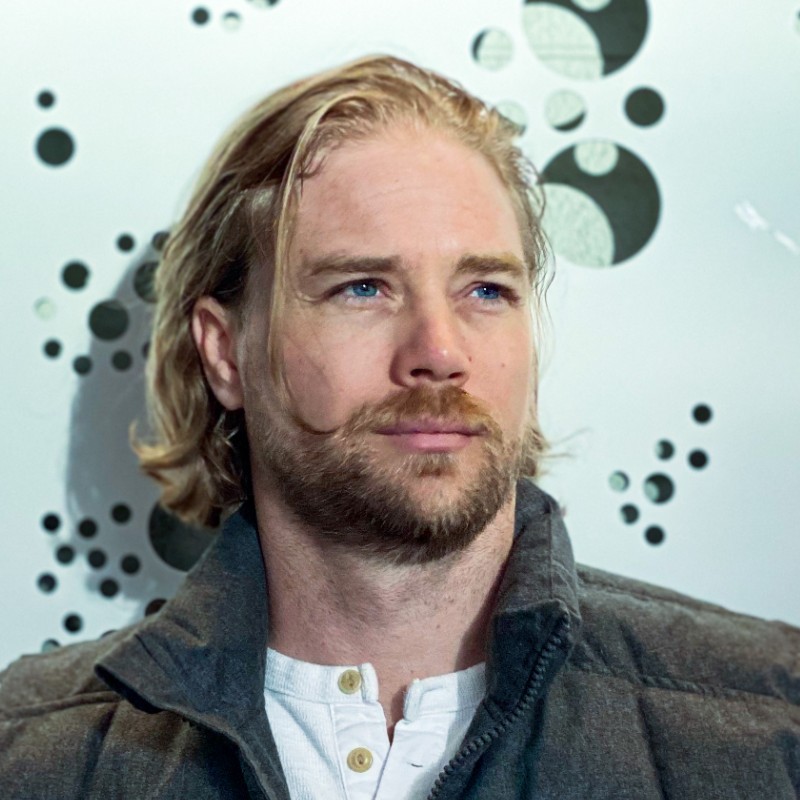
Brandon Day is a Pain and Performance Coach who works with people whose brains and bodies are under pressure—founders, professionals, athletes, caregivers, and anyone who needs their attention to show up when it counts. He combines nervous-system–informed coaching, movement and training principles, and behavior-change tools to help you design a life where focus is supported, not sabotaged. He understands both the science of attention and the reality of trying to focus in a digital, always-on world. Sessions with Brandon are practical and non-judgmental—no lectures about “just trying harder,” just curiosity about what your system needs to perform.
Can’t focus and constant distraction, brain fog, low energy, burnout, pain and performance, nervous-system regulation, sustainable high performance.
1:1 remote sessions, collaborative planning, experiments instead of rigid rules, strategies built around your real responsibilities, and coordination with your existing providers or supports when helpful.
“I used to joke that my brain was ‘all tabs, no browser.’ Working with Brandon, I stopped blaming myself and started changing the conditions around my focus. I’m not perfect, but I finally trust myself to tackle real work again.”
Common Questions
Brandon does not diagnose ADHD or any other condition, and this work is not a replacement for medical or psychological evaluation. Some clients have an ADHD diagnosis and use coaching to support the lifestyle and nervous-system side of their attention. Others don’t have a diagnosis but know they feel scattered and distracted. If you suspect ADHD or another condition, you should talk with a qualified healthcare professional. Coaching can often complement that work by helping you apply practical strategies day to day.
No. Extreme restrictions tend to backfire, especially when they ignore why you’re reaching for those things in the first place. Instead of banning everything, you’ll look at when and why you use them, how they affect your focus, and what boundaries make sense for you. The goal is a relationship with tech that supports your brain instead of constantly hijacking it.
Tools like calendars and task systems can be useful, but they’re not the main event. Brandon’s work focuses on nervous system state, energy, environment, and realistic habits first—then uses productivity tools to support those changes. You’re not here to become a machine; you’re here to do important work without burning out.
You’re not alone. Many clients have tried multiple systems before they land here. The difference is that instead of starting with a tool and hoping it fits, you start with how your system actually works—your rhythms, triggers, and constraints—and then choose or adapt tools that match that reality.
It depends on your goals and how long you’ve been struggling with attention. Some people use a short series of three to six sessions to get out of crisis mode and build a new focus rhythm. Others commit to a 100-day sprint to fully redesign how they work, rest, and manage their attention. After your first session, Brandon will talk through what seems realistic and sustainable for you.
Yes. Many clients are already under the care of therapists, psychiatrists, or other providers. Brandon’s role is to help you translate that work into day-to-day behaviors and nervous-system support—sleep, movement, structure, and boundaries. He doesn’t prescribe or adjust medications and won’t ask you to stop other treatments. With your permission, he can coordinate with your providers.
Sessions are primarily held online via secure video, so you can join from your home, office, or wherever you usually try to focus. If you’re local and want to explore in-person work, you can mention that in your intake form and Brandon will let you know what’s available.
Ready to get started?
Start Relief Switch Free