Step 1
Check-in on your week: stress spikes, anxious moments, energy, and sleep.
Analytics & error reporting
We use privacy-friendly analytics and error reports to improve the site. Turn this on to share anonymous usage data.
Help your body come down so your mind can breathe.
When stress and anxiety won’t turn off, you don’t just feel “a little on edge”—you feel wired, tired, and stuck in a loop you can’t think your way out of. Your nervous system keeps scanning for threats, your body stays tense, and rest never feels as restorative as it should. Brandon helps you understand what’s keeping you stuck in “on” mode and teaches you how to settle your system so you can feel calmer, clearer, and more in control.
“Wired and tired” isn’t a cute phrase when you’re living it. It looks and feels like:
Most stress and anxiety advice only touches the surface. These can help in the moment, but they rarely shift the underlying pattern if the deeper realities below are still in place. If you only add more “stress management tools” on top of an overloaded system, they often become one more thing to fail at. You don’t need more pressure—you need a different relationship with your body’s threat alarms. Brandon’s work is about helping your nervous system feel safer and teaching your body how to shift gears out of survival mode, not just silencing your thoughts for a few minutes.
What’s really going on:
Instead of telling you to “just relax,” Brandon uses a clear process that respects both your physiology and your real life.
4-step process
Map what your “wired and tired” actually looks like: when worry spikes, when you feel flat or numb, how stress shows up in your body, and what your days and weeks realistically look like. You’ll look at sleep, work, relationships, movement, and past attempts to feel better.
Identify what keeps your system stuck in high alert: constant demands, unresolved pain, overtraining, under-recovery, news and notifications, certain environments, or even how you talk to yourself. Instead of trying to fix everything, you’ll choose the two to three levers that are most likely to change how safe your body feels.
Test small, do-able practices that help your body come down: nervous-system drills, micro-breaks that actually reset you, gentle movement, breath and position changes, and short “transition rituals” between work, home, and sleep. Each experiment is meant to answer, “Does this make me feel a little less wired, or more?”
Build routines and boundaries that give your system room to breathe: a weekly rhythm that includes real recovery, realistic limits on how much you can take on, and simple practices you can use when stress spikes. The goal isn’t a stress-free life—it’s a system that can handle stress without getting stuck there.
Stress and anxiety don’t disappear from life—but your relationship to them can change dramatically. This isn’t about never feeling stressed or anxious again. It’s about not being driven by it all the time—and knowing how to guide your system back toward calm when life turns up the volume.
Falling asleep faster and waking up less wired in the middle of the night.
Fewer days where they feel jittery, panicky, or “on edge” for no obvious reason.
A clearer sense of what actually calms their system versus what just distracts them.
Being able to say no or renegotiate commitments without as much guilt.
Feeling more present with family, friends, and hobbies instead of mentally somewhere else.
Having tools they can use during stressful days, not just on quiet weekends.
Your stress and anxiety are not personal failures—they’re signals that your system has been carrying more than it can handle for too long.
You don’t have to keep pretending you’re fine, waiting for a mythical “less busy season,” or trying random tips you saw online. If you’re ready to understand what your nervous system needs and build a more sustainable way to handle pressure, Brandon is here to help.
Sessions are built to be a calm, grounded space—not another performance or place you have to hold it all together. You don’t have to show up as your “calmest self.” You can show up overwhelmed, anxious, or skeptical. The work is designed to meet you there.
Shape of a typical session:
Check-in on your week: stress spikes, anxious moments, energy, and sleep.
Review of any practices or experiments you tried since your last session.
Discussion of what helped, what felt impossible, and what you noticed in your body.
Clarifying one to three realistic experiments or practices to test before the next session.
About Your Coach
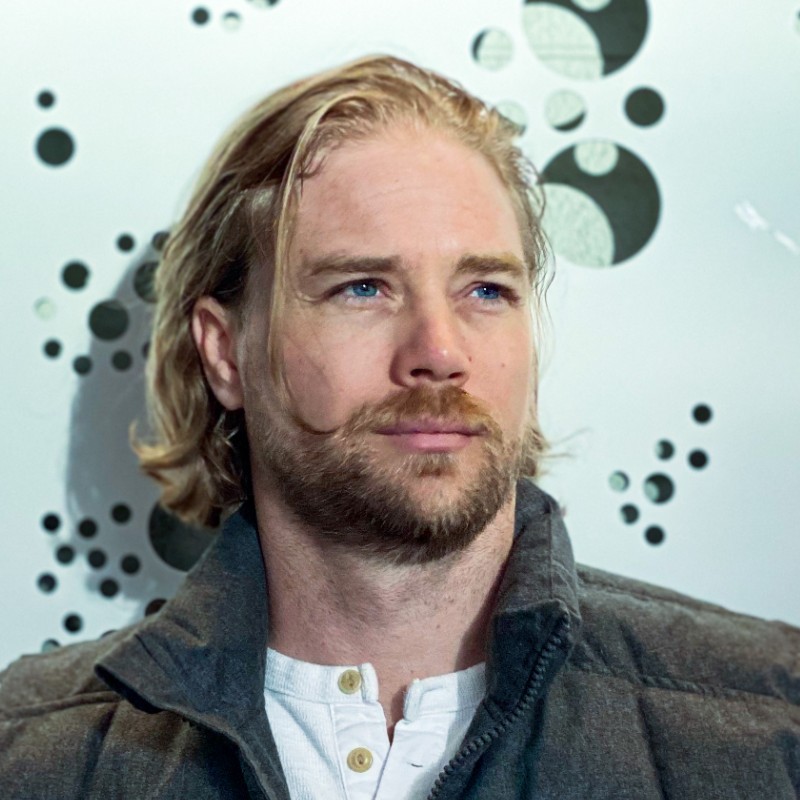
Brandon Day is a Pain and Performance Coach who works with people whose bodies and brains have been on high alert for too long—founders, professionals, athletes, caregivers, and anyone who’s tired of living in a constant state of “on.” He blends nervous-system–informed coaching, movement and training principles, and behavior-change tools to help you find a more sustainable way to handle pressure. Brandon understands both the science of stress and the lived reality of trying to perform in demanding environments. Sessions with him are practical and human—no judgment for how anxious you feel, just curiosity about what your system needs.
Chronic stress, wired-and-tired patterns, anxiety symptoms, burnout, pain and performance, nervous-system regulation, long-term habit change.
1:1 remote sessions, collaborative planning, small experiments rather than overwhelming overhauls, realistic strategies built around your actual responsibilities and constraints, coordination with your existing providers when helpful.
“I used to feel like my nervous system was stuck in high alert all the time. With Brandon, I learned how to notice what sets it off and how to actually bring it down. I still have stressful days, but I don’t live in that state anymore.”
Common Questions
No. Brandon’s work is coaching and education. He helps you understand your stress and anxiety patterns, work with your nervous system, and change your routines and environment. He does not diagnose mental health conditions, process trauma as a therapist would, or provide psychotherapy. If you’re dealing with significant anxiety, trauma, depression, or other mental-health concerns, coaching can complement—but not replace—therapy or psychiatric care.
No. Some clients have diagnoses like generalized anxiety, panic disorder, or PTSD. Others don’t have any labels but know they’re constantly wired, tense, or overwhelmed. You don’t need a formal diagnosis to benefit from nervous-system–informed coaching. If Brandon ever feels that therapy or medical support is needed alongside coaching, he’ll say so.
That’s common. Many people working on stress and anxiety are already seeing a therapist, psychiatrist, or both. Brandon’s role is to help you apply nervous-system and lifestyle changes—sleep, movement, load, rituals, boundaries—in a way that fits your life, alongside your existing care. He does not adjust medications or tell you to stop treatment. With your permission, he can coordinate with other providers.
If you’re in immediate crisis or struggling with severe symptoms (like frequent panic attacks, suicidal thoughts, or inability to function), you should seek medical or emergency mental health support first. Coaching with Brandon can still be part of your recovery later—especially around nervous-system support and lifestyle—but it’s not a replacement for crisis care or clinical treatment.
Breath and awareness can be powerful tools, but they’re not magic wands. Brandon uses a variety of nervous-system and lifestyle tools—movement, posture, vision drills, micro-rest, schedule changes, and more—to help your body feel safer. Meditation might be one option, but it’s not the only one, and it’s never forced if it doesn’t work for you.
It depends on your goals and how long you’ve been living in “wired and tired” mode. Some people find a short series of three to six sessions helpful to get out of crisis and build new rhythms. Others commit to a 100-day sprint to fully rework how they relate to stress, work, and recovery. After your first session, Brandon will talk through what seems realistic and sustainable for you.
Sessions are primarily held online via secure video, so you can join from home, your office, or wherever you are. If you’re local and interested in in-person work, you can mention that in your intake form and Brandon will let you know what options are currently available.
Ready to get started?
Start Relief Switch Free