Step 1
Check-in on your week: stress spikes, crashes, moments of calm, and sleep.
Analytics & error reporting
We use privacy-friendly analytics and error reports to improve the site. Turn this on to share anonymous usage data.
Train your nervous system to come down, not just your thoughts.
Mindfulness isn’t just about sitting still and trying not to think. For high-output humans, it’s about teaching your body and brain how to recover from stress so you can show up clear, steady, and present when it matters. If you’ve tried meditation apps, breathing exercises, or “being more mindful” and still feel wired, numb, or on edge, you’re not alone. Brandon helps you build a practical mindfulness and stress recovery practice that works with your nervous system and your real life—not against it.
When stress piles up and recovery never really happens, it doesn’t just feel like a busy season. You might think you’re just bad at relaxing, weak for needing breaks, or simply not a mindfulness person. In reality, your nervous system is stuck in a pattern that hasn’t been given a real chance to change.
Most mindfulness and stress advice skips the messy middle. These tools can be helpful, but they often miss the full picture of your nervous system, schedule, and history. If you slap a single mindfulness tool on top of a system that never truly rests, you usually end up feeling like you failed at relaxing instead of realizing the tool wasn’t matched to where your body is. Brandon’s work is about building mindfulness and stress recovery from the body outward—so your nervous system has a path out of stress, not just good intentions.
What’s really going on:
Instead of forcing you into a one-size-fits-all meditation routine, Brandon uses a nervous-system–first approach that respects your life, history, and capacity.
4-step process
Map how stress actually shows up: tightness, racing thoughts, shutdown, irritability, numbness, headaches, gut issues, sleep changes. You’ll look at when it spikes, what you reach for to cope, how you currently come down (or don’t), and what your days and weeks really look like.
Identify what keeps your system stuck on high: constant notifications, emotional load, perfectionism, pain, overtraining, under-recovery, or never having true off-time. You’ll also identify what already helps you feel even slightly safer or more grounded—even if it’s small or inconsistent.
Experiment with practices that fit your nervous system and context: movement-based mindfulness, short body scans, breath or vision drills, micro-pauses between tasks, or very short sits rather than long sessions. The goal is not to become a monk—it’s to find what actually helps your body and brain shift gears.
Create daily and weekly rhythms that support recovery: realistic off switches, transition rituals between roles, simple practices you can use in the middle of tough days, and a baseline of nervous-system care that doesn’t fall apart every time life gets busy. Mindfulness becomes part of how you live, not an extra chore.
Mindfulness and stress recovery aren’t about never feeling stressed again. They’re about changing what your system does after stress hits. You’ll still have hard days. The difference is that your system has ways to come back down instead of living stuck there.
Falling asleep more easily and staying asleep more often.
Feeling less on edge in everyday situations.
Being able to notice stress building earlier, instead of only seeing it when you crash.
Using simple practices in real time (before a meeting, after a game, between roles) instead of only on days off.
More moments of feeling actually present—with a partner, kids, friends, or training—rather than half-checked-out.
A quieter inner pressure to always be doing something.
Stress isn’t going away. But the way your system responds to it can change. Mindfulness and stress recovery don’t have to mean sitting perfectly still, emptying your mind, or pretending you’re not under pressure.
You don’t have to keep telling yourself to relax while your body does the opposite. If you’re ready to build practical, nervous-system–friendly ways to come down from stress and feel more present in your own life, Brandon is here to help.
Sessions are meant to feel like a reset, not another performance review. You don’t have to arrive calm or composed. You don’t need to arrive with perfect logs or a daily meditation streak—you just need to be honest about how stress is showing up and what you’ve already tried.
Shape of a typical session:
Check-in on your week: stress spikes, crashes, moments of calm, and sleep.
Review of any practices you tried: what felt supportive, pointless, or overwhelming.
Discussion of what your nervous system might be responding to—and how that shows up in your body and behavior.
Agreement on one to three realistic mindfulness or stress recovery practices to test (often 1–10 minutes, not an hour a day).
About Your Coach
Brandon Day is a Pain and Performance Coach who works at the intersection of the nervous system, movement, and real-world demands. He’s not a therapist or spiritual teacher. His focus is helping high-performing, high-caring humans—founders, professionals, athletes, caregivers—build practical mindfulness and stress recovery skills that support their body, brain, and goals. He understands that just relax isn’t a plan, and that many people feel like they’re failing at mindfulness before they’ve ever had a chance to do it in a way that fits them. Sessions with Brandon are grounded, curious, and shame-free.
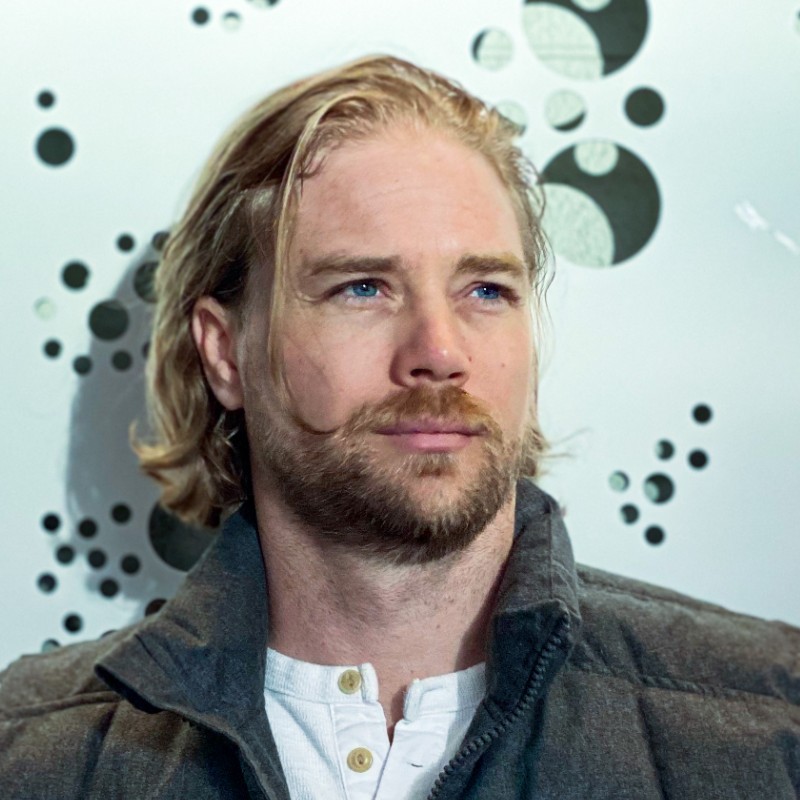
Mindfulness and stress recovery, chronic stress and burnout, pain and performance, nervous-system regulation, sustainable training and work, long-term habit change.
1:1 remote sessions, nervous-system–informed tools instead of generic tips, small experiments rather than rigid routines, planning that accounts for your real schedule and responsibilities, coordination with therapists or medical providers when helpful.
“I thought I was just bad at meditation. Working with Brandon, we figured out practices that actually worked for my body and my life. I still get stressed, but I don’t stay stuck there the way I used to.”
Common Questions
No. Brandon’s work is in the coaching and education space. He helps you understand your stress patterns, work with your nervous system, and build recovery practices into your life. He does not diagnose mental health conditions, process trauma as a therapist would, or provide psychotherapy. If you’re dealing with significant anxiety, depression, trauma, or other mental-health concerns, coaching can complement—but not replace—therapy or psychiatric care.
You’re not alone. Many clients arrive convinced they’re bad at mindfulness. Often, the problem isn’t you—it’s that the practices you tried weren’t matched to your nervous system state or your context. You may need shorter practices, eyes-open work, movement-based mindfulness, or different timing. Coaching focuses on finding what works for you, not forcing you into a single model.
No. Consistency matters, but daily 20-minute sits aren’t the only way to build mindfulness and stress recovery. You might start with a few minutes a couple of days a week, or with micro-practices embedded in transitions you’re already doing. The goal is to build a realistic rhythm that you can sustain, not to win a streak counter.
That’s common—and often ideal. Therapy can help you understand and process your stories, emotions, and past experiences. Coaching with Brandon can sit alongside that by focusing on your nervous system, body, habits, and day-to-day practices. With your permission, he can coordinate with your therapist if that’s useful.
No. Some mindfulness traditions come from spiritual or religious roots, but Brandon’s approach is grounded in nervous-system science, attention, and behavior change. You’re welcome to bring your own beliefs into the work if you like, but nothing in the process requires you to adopt any specific spiritual framework.
It depends on how long you’ve been running in high gear, what else is going on (pain, burnout, sleep, performance goals), and what you want to change. Some people find a short series of three to six sessions helpful to build a foundation. Others work with Brandon over a 100-day sprint or longer as part of a broader reset. You’ll discuss a realistic path after your first session.
Sessions are primarily held online via secure video, which works well for nervous-system and mindfulness work—you can join from the environment you actually live in. If you’re local and interested in in-person sessions, you can mention that in your intake form, and Brandon will let you know what’s available.
Ready to get started?
Start Relief Switch Free