Step 1
Check-in on your week: energy, recovery, training (if any), and how eating actually went.
Analytics & error reporting
We use privacy-friendly analytics and error reports to improve the site. Turn this on to share anonymous usage data.
Fuel your body so you have energy today—and again tomorrow.
What you eat doesn’t just change the number on a scale. It shapes your energy, mood, sleep, pain, and how well you bounce back from stress and training. If you’re constantly dragging, crashing, or feeling wrecked after normal effort, your nutrition for energy and recovery probably isn’t matching what your life demands. Brandon helps you understand how food, timing, and blood sugar affect your nervous system so you can build a way of eating that actually supports the way you work, train, and live.
When your nutrition isn’t supporting your energy and recovery, it shows up everywhere—not just at meal time. You might feel guilty about your choices, confused by conflicting advice, or just too tired to think about fixing your nutrition on top of everything else. You’re not failing. You’ve been trying to fuel a demanding life with an unclear, often contradictory rulebook.
Most nutrition advice comes in extremes or slogans. These approaches often ignore critical realities about blood sugar, your nervous system, and your schedule. When nutrition for energy and recovery is reduced to a one-size-fits-all diet, you may see short-term changes—but the fatigue, brain fog, and pain often creep back once life gets real again. Brandon’s work is about aligning your food choices and timing with what your body and nervous system actually need to do the work you’re asking them to do.
What’s really going on:
Instead of handing you a rigid meal plan, Brandon uses a systems approach that respects your physiology, preferences, and real-life constraints. He does not replace a registered dietitian or doctor; his role is to help you apply practical, nervous-system–friendly strategies.
4-step process
Look at when and what you eat across a typical day and week: skipped meals, late-night snacks, grab-whatever’s-around moments, training or movement days, and high-output days at work. You’ll also note where you feel most energized, where you crash, and how you feel after different kinds of meals.
Identify the main factors impacting your energy and recovery: long gaps without food, unbalanced meals, frequent takeout, under-fueling before training, lack of protein, inconsistent carbs, or using caffeine and sugar to get through the day. The goal isn’t perfection—it’s to find the two or three changes most likely to move the needle for you.
Run small experiments: adjusting meal timing, adding strategic snacks, balancing plates for better blood sugar, choosing pre- and post-training options that work with your digestion, and reducing emergency eating by planning just one or two key meals. Each experiment is designed to answer, “Do I feel more stable and recovered, or not?”
Create a flexible structure for nutrition that fits your life: go-to meals and snacks for busy days, a simple pattern for training and rest days, and guidelines for travel, social events, or stressful weeks. This isn’t about rigid rules—it’s about a way of eating that supports your energy and recovery most of the time.
Dialing in nutrition for energy and recovery is less about perfect food choices and more about how your system feels over time. Nothing is perfectly dialed all the time, but your average day starts to feel a lot more stable and powered.
Fewer mid-morning and afternoon crashes.
More steady energy throughout the day—with less reliance on caffeine and sugar.
Faster recovery after training, long days, or travel.
Less brain fog and irritability tied to hunger and blood sugar swings.
A calmer relationship with food—less guilt, more clarity about what works for you.
Knowing what to eat before and after key events (work, training, games) so your body feels supported, not blindsided.
You’re not failing at willpower—you’re trying to run a demanding life on unclear fuel. Nutrition for energy and recovery doesn’t have to mean a lifetime of food rules or anxiety about every bite.
If you’re ready to understand how food, timing, and nervous-system load affect your energy—and to build a way of eating that you can actually live with—Brandon is here to help.
Sessions around nutrition and recovery are built to be practical, respectful, and judgment-free. Brandon knows you’re not starting from a blank slate—you’re starting from a busy life. You won’t be shamed for good or bad days. The focus is on learning how your body responds—then adjusting from there.
Shape of a typical session:
Check-in on your week: energy, recovery, training (if any), and how eating actually went.
Review of experiments or changes you tried—what felt doable, what didn’t, what you noticed.
Discussion of how certain foods or patterns seemed to affect your energy, mood, and pain.
Agreement on one to three specific nutrition-for-energy-and-recovery experiments to run.
About Your Coach
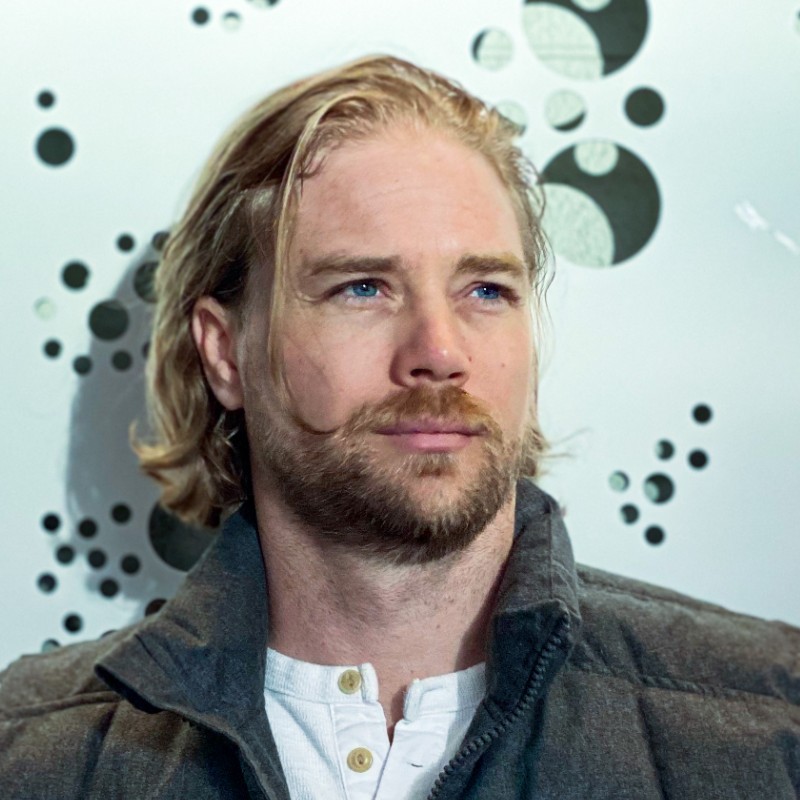
Brandon Day is a Pain and Performance Coach who looks at how your nervous system, movement, and fuel all interact. He’s not a registered dietitian or physician; instead, he helps you translate nutrition guidance into day-to-day decisions that support your energy, pain levels, and performance. He works with founders, professionals, athletes, and caregivers who need their bodies to show up for real demands—and can’t afford to feel wrecked after every effort. Sessions with Brandon are collaborative and grounded in your reality: time constraints, preferences, family, culture, and history with food are all part of the picture.
Energy and recovery, burnout and fatigue, pain and performance, nervous-system regulation, sustainable training, realistic habit change.
1:1 remote sessions, clear experiments instead of rigid diets, emphasis on what’s sustainable, and coordination with your existing medical or nutrition providers when helpful.
“I’d tried so many diets and always ended up exhausted. With Brandon, we focused on energy and recovery first. I stopped chasing perfection and started paying attention to how I actually felt—and my training, work, and sleep all improved.”
Common Questions
No. Brandon is a coach, not a registered dietitian or doctor. He does not diagnose conditions, prescribe medical nutrition therapy, or replace professional nutrition care. His role is to help you understand how your current eating patterns may be affecting your energy, recovery, and nervous system—and to support you in making sustainable changes. If you have complex medical needs, he may recommend working with a registered dietitian alongside coaching.
Not unless you and your medical team already know that’s necessary for a specific reason. Most clients do not need extreme restrictions to improve energy and recovery. Instead, you’ll focus on patterns: timing, balance, and consistency. The aim is to build a way of eating that feels supportive and realistic, not punishing.
You’re not alone. Many of Brandon’s clients have bounced through multiple approaches—keto, paleo, fasting, macro tracking, eat clean—and feel discouraged. Coaching in this area is less about following another set of rigid rules and more about observing how your body responds to different patterns and building something that works for you long-term.
Not necessarily. Some people enjoy tracking for short periods to learn about their patterns; others find it stressful or triggering. Brandon will never force tracking if it’s not a good fit. Instead, you might focus on simple frameworks like build a plate, pre- and post-training patterns, or time-based anchors (for example, making sure certain types of fuel show up at certain points in your day).
Yes—nutrition for energy and recovery often connects directly to pain, brain fog, and burnout. While nutrition alone won’t solve everything, stabilizing your fuel can make nervous-system work, sleep changes, and training adjustments far more effective. Brandon often works on these areas together as part of a bigger 100-day plan.
Any major changes should be discussed with your medical or nutrition provider—especially if you have conditions like diabetes, GI disorders, eating disorders, or other complex issues. Brandon is happy to work within guidelines set by your care team and to help you implement their recommendations in a way that fits your life.
Sessions are primarily online via secure video, so you can join from your kitchen, office, or wherever you live your real life. If you’re local and want to explore in-person work, you can mention that in your intake form and Brandon will let you know what’s available.
Ready to get started?
Start Relief Switch Free