Step 1
Check-in on your week: training, pain, energy, sleep, and stress.
Analytics & error reporting
We use privacy-friendly analytics and error reports to improve the site. Turn this on to share anonymous usage data.
Get stronger without wrecking your joints, energy, or nervous system.
Strength training should make you more capable, not more fragile. But if you’re constantly flirting with injury, exhaustion, or long plateaus, it can feel like every push comes with a hidden cost. Strength training without burnout means building muscle, power, and resilience in a way your body and nervous system can actually recover from. Brandon helps you design training that respects your load, pain history, and real life—so you can get stronger and still have energy left for everything else.
When strength training keeps tipping you into burnout, it doesn’t just show up in the gym.
Most strength advice lives at the extremes and misses the reality of your body and life. If you keep trying to force a generic plan onto a non-generic body and context, you’ll keep ping-ponging between overdoing it and doing nothing. Burnout isn’t a character flaw—it’s a mismatch between stimulus and recovery. Brandon’s work is about matching your training to your nervous system and actual capacity so you can push in a way you can come back from.
What’s really going on:
Instead of arguing about the “best” program, Brandon focuses on the best training for your system right now.
4-step process
Map your training history, injuries, pain patterns, PRs, and current life load: work, family, sleep, and stress. You’ll look at what you’re doing now (or recently did), what broke you in the past, and what “better” means to you—stronger lifts, fewer flare-ups, more consistency, or all of the above.
Identify where things are going wrong: too much volume too fast, intensity without enough base, poor exercise selection for your body, lack of true rest days, or a nervous system that’s already stressed before you even touch a barbell. The goal is to see where your training is asking for more than you can realistically give.
Test small changes to your training: adjusting volume and intensity, swapping exercises, changing frequency, improving warm-ups and cool-downs, or layering in nervous-system drills. You might add “easy strength” phases, deloads that actually feel restorative, or micro-cycles that match busy seasons. Each experiment asks, “Do I feel stronger and more stable, or more beat up?”
Create a training framework that fits your life: a weekly structure that respects your work and sleep, flexible rules for when to push and when to back off, and clear markers that tell you if you’re trending toward burnout. The goal is a strength practice you can maintain for years, not a few brutal weeks.
Strength training without burnout doesn’t mean never working hard. It means hard work that your body can adapt to instead of crumble under. Clients who work on this area with Brandon often notice:
Fewer mystery flare-ups and “why does this hurt now?” injuries.
More weeks of consistent training instead of boom-and-bust cycles.
Strength gains that stick instead of disappearing after every break.
Better energy outside the gym—less feeling wrecked for the rest of the day.
More confidence making on-the-fly adjustments when life or your body demands it.
A clearer sense of when to push, when to maintain, and when to pull back.
Strength training should build you up, not grind you down. If lifting keeps turning into pain, exhaustion, or long layoffs, the problem isn’t that you care too much—it’s that your approach hasn’t been matched to your system.
You don’t have to keep guessing your way through programs or ignoring what your body’s trying to tell you. If you’re ready to build strength in a way you can actually sustain, Brandon is here to help.
Sessions are built for people who care about performance and longevity—not just surviving the next program. You don’t have to show up with perfect logs or a dialed-in routine. You can show up from chaos, and build something sturdier from there.
Shape of a typical session:
Check-in on your week: training, pain, energy, sleep, and stress.
Review of what you did in the gym since the last session (or why you didn’t train).
Discussion of how your body responded—good, bad, or confusing.
Adjustments to your training plan and recovery practices.
Agreement on one to three key focus points for the next block (not twenty new rules).
About Your Coach
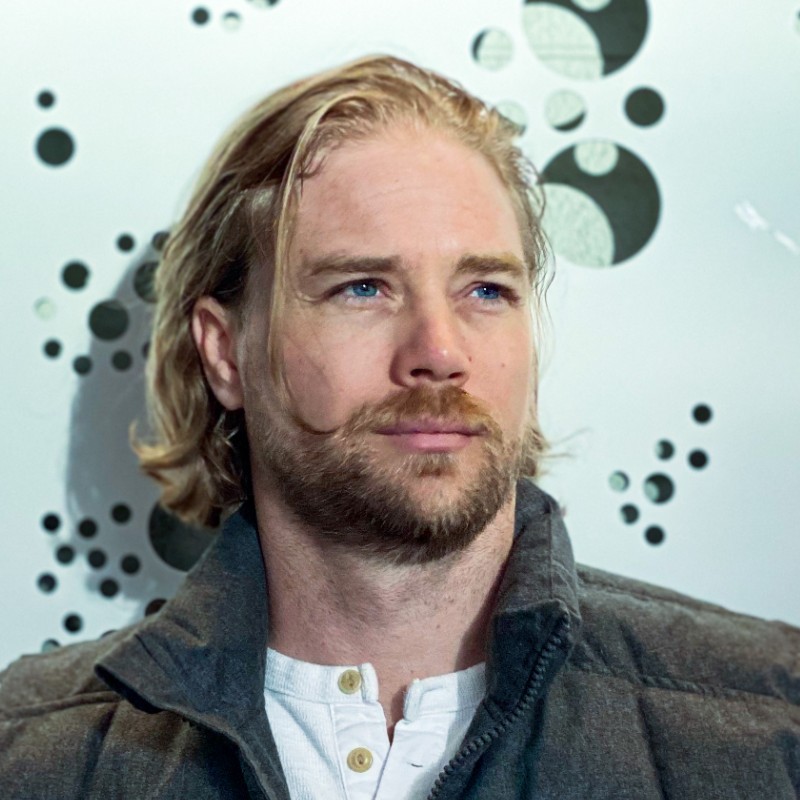
Brandon Day is a Pain and Performance Coach who lives where strength, nervous-system health, and real-world demands intersect. He has a deep background in movement and training, and he’s worked with athletes, former athletes, and high-performing adults who want to be strong for the long haul—not just for a single season.
Strength and performance, training with pain or old injuries, burnout and overtraining, nervous-system regulation, long-term habit and program design.
1:1 remote sessions, practical experiments instead of rigid dogma, realistic planning around work and family, coordination with your PT, coach, or medical team when useful.
“I was stuck in a cycle of training hard for a few weeks, then getting hurt or exhausted and stopping. With Brandon, we built a plan my body could actually recover from. I’m getting stronger and I’m not constantly worried I’m about to break.”
Common Questions
No. This work is for anyone who cares about strength and doesn’t want to burn out chasing it—whether you’re a competitive athlete, a former athlete, someone who trains consistently, or someone who wants to start strength training without repeating past mistakes. The principles are the same: respect your nervous system, your load, and your life while you get stronger.
Often, yes. Brandon frequently works with people who have pain or are coming back from injury, in coordination with their healthcare providers. He does not diagnose injuries or replace medical care, but he can help you adjust training, explore nervous-system–friendly movement, and build a plan that respects where your body is right now. If you have a new or severe injury, you should see a medical professional first.
In many cases, yes—but it depends on your needs. Some clients want a complete program built with him; others already have a program and need help making it sustainable. Sessions can include program design, modifications, and guidance on how to adjust your training as life shifts.
That can actually be ideal. Brandon is happy to coordinate with your coach, PT, or other providers (with your permission) to support your nervous system, recovery, and overall load. He’s not trying to replace your coach in the gym—he’s helping you make sure your broader life and nervous system can support the work you’re doing there.
Not necessarily. Sometimes reducing volume or intensity is part of the picture, especially in the short term. But the end goal is not to baby you forever. The goal is to build a foundation that lets you train hard when it’s appropriate—and to know when that is. Many clients ultimately lift heavier and more consistently after addressing burnout and overtraining patterns.
It depends on your goals, training history, and how complex your situation is. Some people benefit from a short series of three to six sessions to reset their approach and avoid repeating old mistakes. Others work with Brandon over a 100-day sprint or longer to redesign their training, recovery, and nervous-system support in depth. You’ll discuss a realistic plan after your first session.
Sessions are primarily held online via secure video, which works well for program design, nervous-system work, and performance coaching. If you’re local and interested in in-person movement or training sessions, you can mention that in your intake form, and Brandon will let you know what’s currently available.
Ready to get started?
Start Relief Switch Free