Step 1
Check-in on your week: what you intended to do versus what actually happened.
Analytics & error reporting
We use privacy-friendly analytics and error reports to improve the site. Turn this on to share anonymous usage data.
Build habits you can actually keep—at a level you can actually sustain.
High-performance habits aren’t about doing everything perfectly every day. They’re about showing up for the right things, consistently enough, in a way your body and nervous system can handle. If you keep swinging between “dialed in” and “totally off the rails,” it’s not because you’re weak—it’s because your current systems don’t match your real life. Brandon helps you design high-performance habits and consistency that support your health, work, and sport long term, instead of burning you out.
Struggles with consistency rarely come from not caring enough. They usually look like this:
Most habit and consistency advice is built for imaginary humans with endless time and no nervous system. These approaches ignore how your system actually works. If you bolt an extreme high-performance routine on top of an overloaded nervous system and a messy reality, it will eventually fall apart—and you’ll blame yourself, not the design. Brandon’s work is about building habits that match your actual body, brain, and life so consistency becomes possible, not mythical.
What’s really going on:
Instead of handing you a rigid “ideal day” schedule and wishing you luck, Brandon uses a nervous-system–aware, context-first process.
4-step process
Map your actual days and weeks: wake times, energy peaks and crashes, work blocks, family responsibilities, training, screen time, and current recovery. You’ll also look at your history with habits—what you’ve tried, what worked briefly, what completely backfired.
Choose the two to three habits that will meaningfully move the needle for you—sleep timing, movement, nervous-system drills, nutrition basics, focused work blocks—rather than trying to optimize everything. You’ll consider both impact and feasibility given your current load.
Turn those levers into experiments that are small enough to survive real life: shorter routines, flexible windows instead of fixed times, “minimum viable” versions of habits, and clear backup plans for chaotic days. Each experiment asks, “Did this feel sustainable? Did anything improve? What got in the way?”
Create a high-performance rhythm you can live with: weekly anchors, non-negotiables, negotiables, and explicit “off” days. You’ll define what “good enough” looks like (not just “perfect or failure”) and build systems for getting back on track without shame when things wobble—as they always will.
High-performance habits and consistency don’t have to look extreme from the outside. They have to work, repeatedly, on the inside. The goal isn’t to become a robot. It’s to become the kind of person who reliably does what matters, at a pace they can sustain.
Fewer boom-and-bust cycles and more steady, repeatable weeks.
Routines that flex with life stress instead of shattering.
Stronger follow-through on the one to three habits that matter most, instead of 10 half-started ones.
Less shame and self-attack when they miss a day—more curiosity and quicker resets.
Gradual, compounding gains in energy, performance, and mood because the basics are finally consistent.
A sense of “I know what my system needs, and I know how to give it that most of the time.”
Inconsistency isn’t proof that you’re doomed—it’s proof that the way you’ve been trying to change doesn’t fit your nervous system or your life. High-performance habits don’t have to be extreme, aesthetic, or Instagram-worthy. They have to be repeatable.
You don’t have to keep bouncing between perfect weeks and crash weeks, or feeling like you’re starting over every month. If you’re ready to build habits and consistency that support real performance and a livable life, Brandon is here to help.
Sessions are for real humans with messy calendars—not idealized high-performers living in productivity apps. You don’t have to show up with perfect tracking or a great week. The “messy weeks” are often where the most useful information lives.
Shape of a typical session:
Check-in on your week: what you intended to do versus what actually happened.
Review of the habits or systems you experimented with—where they held, where they broke.
Exploration of what your nervous system and life were doing underneath “I didn’t follow through”.
Adjustment of your habits and structure, plus agreement on one to three concrete experiments for the next block.
About Your Coach
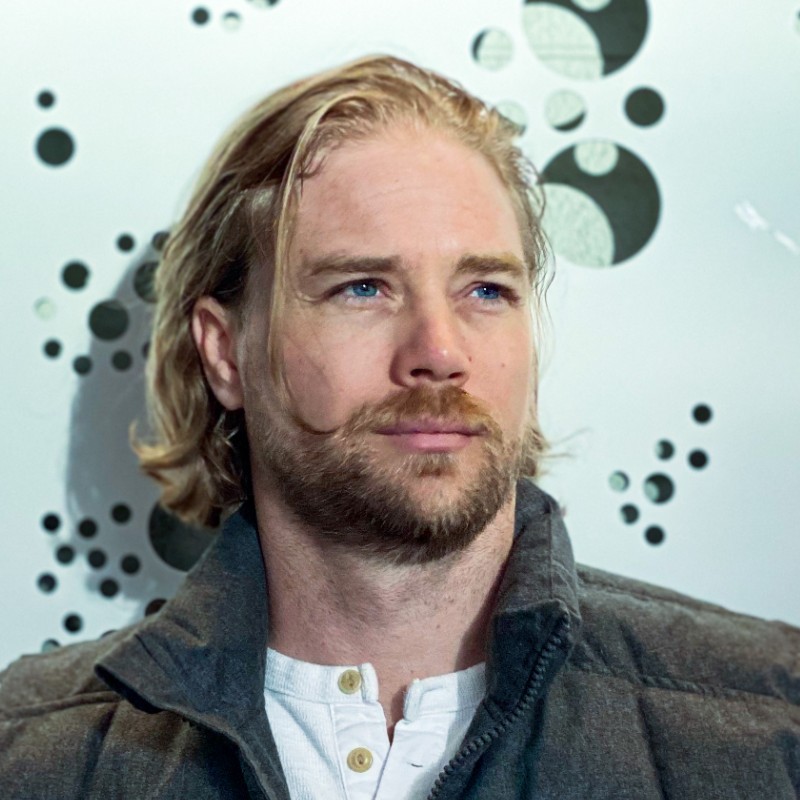
Brandon Day is a Pain and Performance Coach who helps people build lives they can actually sustain—athletes, founders, professionals, caregivers, and high-responsibility humans who are tired of sprint–crash–repeat cycles. He combines nervous-system–informed coaching, behavior-change science, and performance principles to help you create high-performance habits that fit your real context. He knows that habit advice often ignores pain, fatigue, emotions, and constraints. Sessions with Brandon are grounded, collaborative, and honest—no shaming you for inconsistency, just a clear look at why your current setup isn’t working and what might.
High-performance habits and consistency, burnout and recovery, work performance, sports performance, nervous-system regulation, long-term behavior change.
1:1 remote sessions, small experiments over massive overhauls, attention to both your body and your calendar, coordination with therapists, doctors, or coaches when useful.
“I used to either be ‘on’ everything or doing basically nothing. With Brandon, we built habits that matched my life. I’m not perfect, but I’m consistent for the first time in years—and the results are stacking up.”
Common Questions
It overlaps with both, but the core is nervous-system–informed behavior change. You’ll look at how your body, stress, energy, and schedule interact—and then build habits and systems around that. You might work on routines, focus, recovery, training, or health basics, but always through the lens of what your system can actually sustain.
That’s exactly when this work is useful. Many clients arrive with a long history of “failed” routines and programs. Instead of assuming you’re the problem, you’ll examine why those attempts were mismatched: too big, too rigid, too disconnected from your real life or nervous system. Then you’ll build something different—smaller, smarter, and more humane.
No. “High performance” here doesn’t mean you’re already at the top of your field or sport. It means you care about showing up well—for your work, your people, your body, your goals—and want habits that support that. You can be early-, mid-, or late-career, returning to training, or rebuilding after burnout and still benefit from this work.
No. You may experiment with structure, but the aim is not to lock you into a rigid script. Instead, you’ll co-create frameworks and rhythms that are specific to you—your responsibilities, time zones, energy patterns, family situation, and goals. Strict schedules can be useful short-term—but we’re aiming for something you can keep living inside long-term.
That’s common. Brandon’s coaching is trauma-aware and nervous-system–informed, but it is not therapy, diagnosis, or mental health treatment. If you’re living with anxiety, depression, ADHD, or trauma, coaching can often complement the work you’re doing with a therapist or doctor by focusing on your body, habits, and environment. If something is outside the scope of coaching, he’ll say so.
It depends on how many domains you want to shift (work, health, sport, sleep, etc.) and how deep your habit patterns run. Some people benefit from three to six sessions focused on a specific change. Others commit to a 100-day sprint or longer, using coaching to recalibrate how they live, train, and work. You’ll talk through a realistic timeline after your first session.
Sessions are primarily held online via secure video, so you can join from home, work, or wherever you actually live your routines. If you’re local and interested in in-person work, you can mention that in your intake form and Brandon will let you know what’s available.
Ready to get started?
Start Relief Switch Free