Step 1
Check-in on your week: energy, mood, small bright spots, flat spots, and any “why bother” moments.
Analytics & error reporting
We use privacy-friendly analytics and error reports to improve the site. Turn this on to share anonymous usage data.
Get your spark back—without needing a crisis to move you.
When joy fades and motivation runs on fumes, life can start to feel like one long to-do list. You keep showing up for work, family, and responsibilities, but the excitement, curiosity, and drive you used to feel just isn’t there. Joy and motivation coaching with Brandon isn’t about forcing fake positivity or hustling harder—it’s about working with your nervous system, values, and daily rhythms so you can actually want to be in your own life again.
Loss of joy and motivation doesn’t always look dramatic. Often, it’s quiet and persistent:
Most advice around joy and motivation stays at the surface. Well-meaning, but incomplete, it often ignores how your nervous system, reward system, schedule, and history have been shaping your ability to feel joy and motivation.
Instead of asking you to suddenly “love your life,” Brandon uses a nervous-system–informed, values-based approach.
4-step process
Look at when you have felt alive, motivated, and engaged in the past—sports, projects, people, environments—even if it has been a long time. You will also map how you got here: overwork, injuries, caregiving, loss, burnout, or slow erosion of things you love.
Identify the biggest drains and blockers: chronic stress, pain, sleep debt, all-or-nothing habits, perfectionism, over-responsibility, isolation, or environments that never give you real wins. You will also notice where you already feel tiny sparks of interest—even if they seem trivial.
Test low-pressure experiments: brief pockets of play or exploration, tiny projects, reintroducing movement or music, short social doses that feel safe, or changing how you do existing routines so they feel less deadening. You will work with your nervous system—not against it—to see what actually registers as good in your body.
Design rhythms that include joy and meaning as regular inputs, not rare bonuses: small non-negotiables that restore you, habits that create momentum instead of drag, and ways of structuring work, training, and downtime so your system stops living only for crisis, deadlines, or numbing out.
Joy and motivation do not usually come back as fireworks. They come back as small shifts that accumulate.
More “okay” days turning into genuinely good ones.
Moments where you actually look forward to something—even small things.
Easier initiation on tasks that matter, without needing full panic or pressure.
Less guilt when you choose rest, play, or hobbies.
A stronger sense of what feels meaningful to you, not just what is expected.
A quiet, growing sense of “I want to be here for this life” instead of just getting through it.
Feeling flat, unmotivated, or disconnected from joy doesn’t mean you’re done. It means your system has been in survival mode long enough that it stopped investing in what feels good or meaningful.
You don’t have to keep waiting to “feel motivated” or forcing yourself through a life that feels grey. If you’re ready to gently rebuild joy and motivation in a way your nervous system and real life can actually support, Brandon is here to help.
Sessions around joy and motivation are designed to be honest, gentle, and practical. No forced gratitude, no pressure to perform happiness.
Shape of a typical session:
Check-in on your week: energy, mood, small bright spots, flat spots, and any “why bother” moments.
Review of experiments you tried—tiny joys, structure changes, social shifts, nervous-system practices.
Exploration of what landed, what didn’t, and what your body and emotions seemed to be saying.
Agreement on one to three specific experiments for the next block: often very small, very doable shifts that respect where you’re at.
About Your Coach
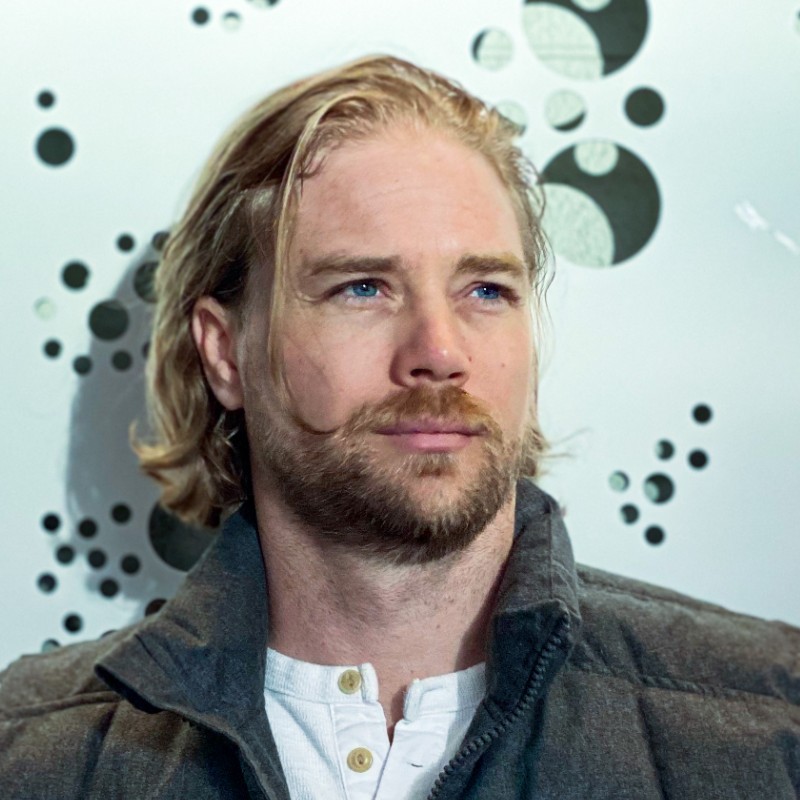
Brandon Day is a Pain and Performance Coach who cares not just about how well you function, but about whether your life feels worth inhabiting. He works at the intersection of nervous-system health, behavior change, and meaning—helping high-responsibility, high-caring humans rebuild joy and motivation after stress, injury, or burnout have worn them down.
Joy and motivation, burnout and exhaustion, work performance and purpose, confidence and self-belief, nervous-system regulation, sustainable high performance and health.
1:1 remote sessions, small experiments over grand reinventions, nervous-system–informed practices, realistic planning around your time and energy, coordination with therapists or medical providers when useful.
“I thought my drive was just gone. With Brandon, we started tiny—finding small things that actually felt good to my system. It wasn’t overnight, but my motivation and enjoyment slowly came back in a way that actually feels real.”
Common Questions
No. Brandon is a coach, not a therapist or psychiatrist. He does not diagnose or treat depression or other mental health conditions. If you’re dealing with persistent low mood, hopelessness, or thoughts of self-harm, you should work with a licensed mental health professional and/or medical provider. Coaching can sometimes complement that work by focusing on nervous-system support, habits, and daily patterns—but it does not replace clinical care.
That’s extremely common in this area. The work often starts from “I don’t know” and uses small experiments to rediscover what feels even slightly interesting, soothing, or energizing. You don’t need clear answers to start—you need willingness to explore gently, without pressure.
Yes. Joy and motivation often show up (or disappear) first in specific arenas like work, sport, or creativity. You might pair this Area with others like Work Performance & Purpose, Sports Performance & PRs, or High-Performance Habits & Consistency. Together, you’ll look at both the nervous-system side and the meaning/reward side of your performance.
Not necessarily. Sometimes small, targeted changes—how you structure your days, what you say yes/no to, what you reintroduce—can bring back more aliveness than you expect. In some cases, bigger changes eventually make sense, but you don’t start there. You start by getting your system more resourced so any big decisions come from clarity, not pure depletion.
From a nervous-system perspective, what looks like self-sabotage is often protection—avoiding pain, failure, criticism, or overwhelm. Part of this work is understanding what your system is trying to protect you from, and then creating safer, smaller ways to move forward so that protection doesn’t have to be so extreme.
It depends on how long you’ve been feeling flat, what else is going on (burnout, pain, work stress, health issues), and what you want to change. Some people find three to six sessions helpful to start feeling more spark and direction. Others work with Brandon over a 100-day sprint or longer as part of a broader reset. You’ll talk through a realistic path after your first session.
Sessions are primarily held online via secure video, so you can join from your home, office, or wherever you actually live your days. If you’re local and interested in in-person work, you can mention that in your intake form and Brandon will let you know what’s available.
Ready to get started?
Start Relief Switch Free