Step 1
Check-in on your week: key sessions, games, races, PR attempts, and how your body felt.
Analytics & error reporting
We use privacy-friendly analytics and error reports to improve the site. Turn this on to share anonymous usage data.
Hit new PRs without breaking your body or your brain.
Chasing performance isn’t just about working harder. It’s about what your nervous system, recovery, and training plan can actually support. If you’re stuck at the same numbers, fighting recurring pain, or falling apart on race day, you don’t need more grind—you need a smarter system. Brandon helps athletes and competitors push for PRs in a way that respects their body, their history, and the pressure of game day, so they can perform when it counts and stay in the sport they love.
Performance problems almost never look like “not caring enough.” They usually show up like this:
Most sports performance advice focuses on a single piece of the puzzle. These miss how performance actually works. If you only tweak the program, add more hype, or demand more “mental toughness” without changing how your system handles stress and recovery, you may squeeze out a few more performances—but you’ll keep skating on the edge of burnout, injury, or collapse. Brandon’s work is about aligning your training, nervous system, and life so your performance has somewhere stable to land.
What’s really going on:
Instead of treating you like a generic athlete on a spreadsheet, Brandon looks at the whole system that drives your performance—body, brain, training, and life.
4-step process
Map where you are now: recent results, PRs, plateaus, pain, and patterns on game day vs practice. You’ll look at how you train, what position or events you compete in, how you feel before and during competition, and what else is going on in your life (work, school, family, stress).
Identify what’s most likely holding you back: nervous-system overdrive, under-recovery, inconsistent sleep, poor fueling, pain you’re training around, lack of deloads, or mental patterns like overthinking and fear of failure. Instead of blaming everything, you’ll pinpoint the 2–3 biggest bottlenecks.
Run performance-focused experiments: adjusting training stress (volume, intensity, density), adding nervous-system drills to pre-game and post-game routines, testing different warm-up strategies, changing how you taper or deload, and shaping how you ramp up into key performances. Each experiment asks, “Does this help me perform better and recover better?”
Create a framework that supports consistent performance: routines for training weeks and competition weeks, clear red flags for when you’re nearing the edge, and a way of tracking progress that goes beyond a single PR day. The goal is a system that lets you hit big performances and keep showing up, season after season.
Sports performance shifts as your system learns that it’s safe and supported to go all-in when it counts. Clients working on sports performance & PRs with Brandon often notice:
More consistency between practice performance and competition performance.
PRs or near-PR efforts that don’t leave you wrecked for days.
Fewer flare-ups of old injuries when training intensity goes up.
Clearer pre-game and pre-lift routines that actually calm and focus you.
A quieter, more focused headspace under pressure—less spiraling, more execution.
A renewed sense of joy or meaning in training and competing, not just obligation.
You’re already willing to work. The problem isn’t effort—it’s insight and support. Your next level of performance doesn’t have to come at the cost of constant pain, exhaustion, or dread every time you compete.
You don’t have to keep guessing, overtraining, or hoping things “click” on race day. If you’re ready to chase PRs with a system that your body and nervous system can actually sustain, Brandon is here to help.
Sessions are built for people who care about performance and are honest enough to say something isn’t working. You don’t need perfect logs or a fancy tracker to start. You just need an honest account of how you’re training and competing right now.
Shape of a typical session:
Check-in on your week: key sessions, games, races, PR attempts, and how your body felt.
Review of any changes you tried in training, preparation, recovery, or mindset.
Discussion of what helped, what backfired, and what your nervous system seemed to do under pressure.
Adjustments to your plan and agreement on one to three focused performance experiments for the next block.
About Your Coach
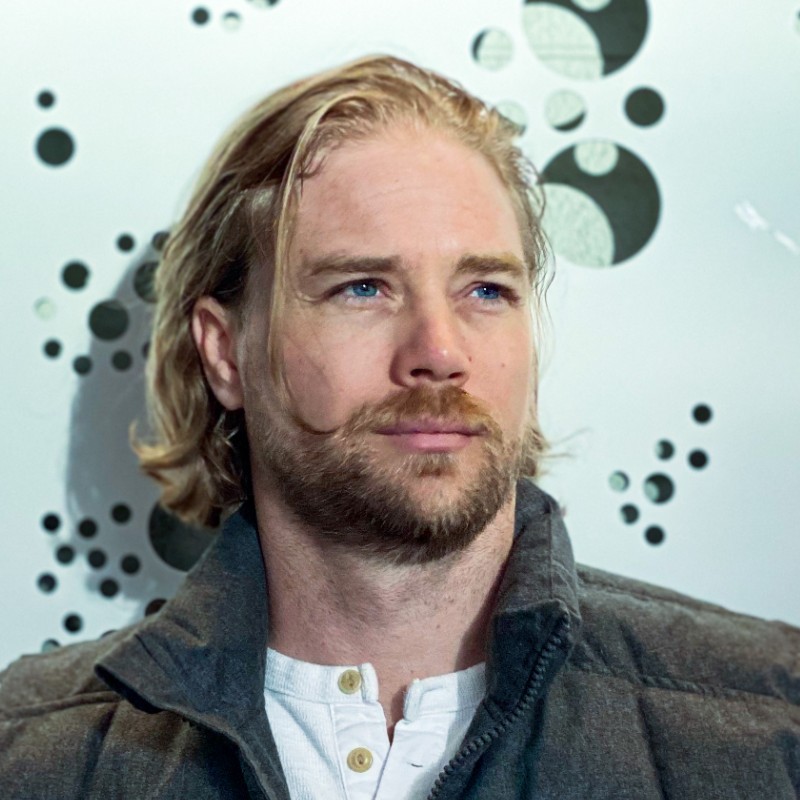
Brandon Day is a Pain and Performance Coach who works with athletes and high performers who want to push their limits without sacrificing their bodies or lives to the process. He combines nervous-system–informed coaching, strength and conditioning principles, and behavior-change tools to help you hit PRs in a way that’s sustainable.
Sports performance and PRs, training with pain or old injuries, performance under pressure, burnout and overtraining, nervous-system regulation, long-term development.
1:1 remote sessions, collaboration with your existing coaches or PTs (with your permission), clear experiments rather than rigid dogma, realistic planning around your season, life, and recovery needs.
“I thought the only way to get faster was to just keep pushing harder. With Brandon, we tuned my training and my nervous system together. I’m hitting PRs and I feel like I can keep doing this for years instead of just one more season.”
Common Questions
No. Brandon works with a range of athletes: competitive amateurs, serious recreational athletes, former pros, and people returning to sport after time away. If you care about performance and are willing to look honestly at how you’re training, recovering, and handling pressure, this work fits—regardless of your current level.
Sometimes. For some athletes, Brandon designs or co-designs the program. For others, he works alongside an existing coach or plan, helping adjust load, nervous-system support, preparation, and recovery. The approach depends on your sport, context, and what support you already have in place.
Sport-specific coaches focus on technical skills, tactics, and sometimes conditioning. Strength and conditioning coaches focus on physical preparation. Brandon sits at the intersection of nervous system, pain, recovery, and performance—making sure your body and brain can actually express the skills your coaches are building. He’s not trying to replace technical coaching; he’s adding a layer that many athletes are missing.
Often, yes. Brandon frequently works with athletes who are returning from injury or managing chronic issues, in coordination with their PT or medical team. He does not diagnose or medically treat injuries, but he can help you adjust training load, build confidence in your body again, and support your nervous system so you don’t feel like you’re one move away from breaking.
Performance under pressure is a core part of this area. Brandon approaches “choking” not as a character flaw, but as a nervous-system response to perceived threat. You’ll work on preparation, in-the-moment tools, and post-performance debriefs that help your system feel safer and more capable when the stakes are high.
It depends on your sport, season, goals, and how complex your situation is. Some athletes use a focused block of three to six sessions around a key race or competition period. Others work with Brandon over a 100-day sprint or across a season to redesign how they train, recover, and perform. You’ll discuss a realistic plan after the first session.
Sessions are primarily online via secure video, which works well for performance planning, nervous-system work, and reviewing training. If you’re local and interested in in-person work (movement, warm-up design, etc.), you can mention that in your intake form and Brandon will let you know what’s currently available.
Ready to get started?
Start Relief Switch Free